brownie bugs badge requirements pdf
The Brownie Bugs Badge introduces girls to the fascinating world of insects‚ fostering curiosity and outdoor exploration. Through hands-on activities‚ girls learn about bug habitats‚ life cycles‚ and environmental impact‚ developing essential observation and creativity skills while earning their badge.
Overview of the Brownie Bugs Badge
The Brownie Bugs Badge is a fun and educational program designed to help girls explore the fascinating world of insects. This badge focuses on outdoor activities and hands-on learning‚ encouraging girls to connect with nature and develop essential skills. Participants learn about different types of bugs‚ their habitats‚ and the important roles they play in the ecosystem. The badge requires girls to complete activities such as creating bug-inspired crafts‚ observing bugs in their natural environments‚ and understanding their life cycles. By earning this badge‚ girls gain a deeper appreciation for the natural world and develop critical thinking‚ creativity‚ and teamwork skills. The program is structured to be engaging and accessible‚ making it an excellent way for Brownies to build confidence and curiosity about the outdoors. The badge is a key part of the Girl Scout curriculum‚ promoting STEM education and environmental awareness.
Importance of the Bugs Badge in the Brownie Curriculum
The Bugs Badge holds a significant place in the Brownie curriculum as it fosters a deep connection with nature and promotes STEM education. By exploring the world of insects‚ girls develop essential skills such as observation‚ critical thinking‚ and creativity. This badge encourages an appreciation for the environment and the role bugs play in ecosystems‚ aligning with the Girl Scout mission to empower girls as stewards of the planet. The hands-on activities and outdoor experiences build confidence and curiosity‚ while teamwork and problem-solving exercises enhance collaboration. The Bugs Badge also introduces girls to scientific concepts in a fun and accessible way‚ laying the foundation for future interests in science and conservation. By earning this badge‚ girls gain a sense of accomplishment and a lifelong love for learning about the natural world. It is a cornerstone of the Brownie program‚ blending education with adventure.
Skills Developed Through the Bugs Badge
The Bugs Badge fosters a variety of essential skills in Brownies‚ including creativity‚ observation‚ and environmental stewardship. Girls develop critical thinking through hands-on activities like bug crafts and habitat exploration‚ which encourage problem-solving and innovation. The badge also enhances scientific literacy by introducing concepts like life cycles and ecosystems. Teamwork is promoted through collaborative activities‚ such as field trips and group projects‚ where girls share discoveries and ideas. Additionally‚ the badge nurtures curiosity and patience as girls learn to observe and appreciate the natural world. These skills not only prepare girls for future STEM pursuits but also instill a sense of responsibility toward the environment. By engaging in these activities‚ Brownies build confidence and develop a deeper understanding of the world around them‚ making the Bugs Badge a valuable and enriching experience.
Understanding the Badge Requirements
The Bugs Badge requires Brownies to complete activities like drawing bug posters‚ trying crafts‚ observing bugs‚ exploring habitats‚ and going on field trips to meet the necessary requirements effectively.
Core Objectives of the Bugs Badge

The Bugs Badge is designed to educate Brownies about the importance of insects and their roles in the ecosystem. It aims to foster curiosity‚ observation skills‚ and an appreciation for nature. Girls learn to identify different types of bugs‚ understand their life cycles‚ and recognize their contributions to the environment. The badge also encourages creativity through bug-inspired crafts and hands-on activities. By exploring bug habitats and behaviors‚ participants gain a deeper understanding of biodiversity and conservation. The core objectives include promoting outdoor exploration‚ developing scientific inquiry skills‚ and nurturing a sense of responsibility toward the natural world. These experiences help Brownies build confidence and teamwork while earning their badge. The activities are structured to be engaging and educational‚ ensuring a fun and meaningful learning process.
Mandatory Activities for the Bugs Badge
To earn the Bugs Badge‚ Brownies must complete a series of engaging and educational activities. These include drawing a bug poster to learn about different species‚ trying a bug craft to express creativity‚ and observing bugs in their natural habitats to gain hands-on experience. Girls are also required to explore bug homes‚ such as gardens or parks‚ to understand where insects live and thrive. Additionally‚ taking a bug field trip is a key component‚ allowing participants to interact with experts or visit locations like nature centers or zoos. These activities are designed to foster curiosity‚ observation skills‚ and an appreciation for the role of bugs in the ecosystem. By completing these tasks‚ Brownies develop a deeper understanding of insects and their importance while building creativity and teamwork. The mandatory activities ensure a well-rounded learning experience that aligns with the badge’s educational goals;
Elective Activities for the Bugs Badge
Elective activities for the Bugs Badge offer Brownies the opportunity to delve deeper into the world of insects through fun and creative projects. Girls can choose to create a bug hotel using natural materials like sticks and leaves‚ providing a habitat for insects. Another option is to start a bug journal‚ where they can record observations‚ drawings‚ and interesting facts about different species. Additionally‚ participants might host a bug-themed party‚ complete with bug-inspired snacks and games‚ to share their knowledge with friends and family; These activities encourage creativity‚ teamwork‚ and a deeper connection to nature. By exploring beyond the mandatory tasks‚ Brownies can further enhance their understanding of bugs and their role in the environment. These electives make the learning process enjoyable and tailored to individual interests‚ fostering a lifelong appreciation for entomology and outdoor exploration.
Assessment Criteria for Earning the Badge
To earn the Bugs Badge‚ Brownies must demonstrate a clear understanding of the material and complete all required activities. Participation in both mandatory and elective tasks is essential‚ showcasing their ability to learn about and engage with the world of insects. Girls are assessed on their ability to identify different types of bugs‚ describe their habitats‚ and explain their roles in the ecosystem. Additionally‚ the quality of their crafts‚ observations‚ and reflections is evaluated to ensure they have met the learning objectives. Troop leaders review the girls’ work to confirm they have fulfilled all requirements and developed the necessary skills. The badge is awarded when all criteria are satisfactorily met‚ celebrating their newfound knowledge and appreciation for bugs; This process ensures that each Brownie has a meaningful and educational experience while working toward the badge.
Time Commitment and Scheduling Tips

Earning the Bugs Badge requires a consistent time commitment to complete all activities effectively. Girls should allocate approximately 4-6 hours in total‚ spread across several meetings or sessions. Core activities‚ such as bug research and observation‚ should be prioritized and scheduled early to build a strong foundation. Elective tasks‚ like crafts or field trips‚ can be integrated to keep the experience engaging. Leaders are encouraged to break the requirements into manageable chunks‚ ensuring each session is focused and productive. Scheduling outdoor activities during favorable weather and allowing time for reflection and sharing is crucial. Flexibility is key to accommodate different learning paces and interests. By planning ahead and distributing tasks evenly‚ girls can enjoy a balanced and enriching journey toward earning their Bugs Badge. This structured approach ensures that all requirements are met without overwhelming the participants.
Step-by-Step Guide to Earning the Bugs Badge
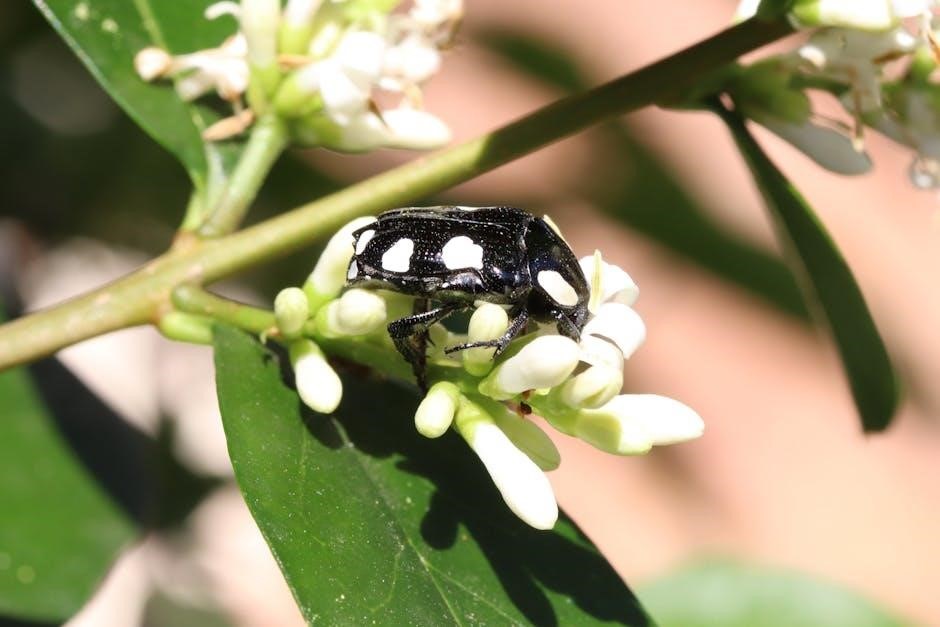
This guide outlines a structured approach for Brownies to explore the world of insects. It includes research‚ crafts‚ observation‚ habitat creation‚ and reflection‚ ensuring a comprehensive learning experience.
Step 1: Research and Learn About Bugs

The first step in earning the Bugs Badge is to gain a foundational understanding of insects. Girls are encouraged to explore books‚ online resources‚ and field guides to learn about different types of bugs‚ their life cycles‚ and their roles in the ecosystem. This step involves identifying common insects‚ understanding their habitats‚ and recognizing their importance in pollination‚ decomposition‚ and food chains. Activities include creating a list of bugs observed in nature‚ drawing bug posters‚ and discussing their unique characteristics. Girls can also explore how bugs contribute to the environment and learn about their behaviors‚ such as how bees communicate or how butterflies migrate. This step fosters curiosity and sets the stage for hands-on exploration in subsequent activities. By engaging with educational materials and interactive tools‚ girls develop a solid knowledge base that will enhance their outdoor experiences and creative projects.
Step 2: Create a Bug-Inspired Craft
In this step‚ girls express their creativity by crafting bug-inspired projects. Activities include drawing bug posters‚ creating insect-themed art‚ or making bug models using materials like paper rolls‚ colored paper‚ or pipe cleaners. This step encourages girls to think about the unique features of different bugs‚ such as colors‚ shapes‚ and textures‚ and to represent them artistically. Crafting helps develop fine motor skills and imagination while fostering a deeper connection to the natural world. Girls can also write fun facts about their chosen bug alongside their artwork. This creative process allows them to share what they’ve learned and showcase their understanding of insects in an engaging way. The craft project serves as a visual reminder of their journey through the Bugs Badge and can be displayed or shared with others to inspire curiosity about bugs.
Step 3: Observe Bugs in Their Natural Habitat

This step involves exploring the outdoors to observe bugs in their natural environments. Girls are encouraged to visit yards‚ parks‚ or green spaces to spot insects in action. Using tools like magnifying glasses or bug viewers‚ they can closely examine bugs‚ noting their behaviors‚ movements‚ and interactions with their surroundings. This activity helps develop observation skills and fosters an appreciation for the role bugs play in ecosystems. Girls might see bugs pollinating flowers‚ hunting for food‚ or building homes‚ which brings their earlier research to life. Leaders should emphasize safety and responsible observation‚ ensuring bugs are not disturbed or harmed. This hands-on experience allows girls to connect with nature and gain a deeper understanding of the importance of bugs in the environment. Observing bugs firsthand makes learning engaging and memorable‚ reinforcing the concepts explored in the badge requirements.
Step 4: Develop a Bug-Friendly Environment
In this step‚ girls work on creating habitats that support bug life‚ fostering a deeper connection with nature. Activities include planting native flowers to attract pollinators‚ building bug hotels using natural materials like sticks and leaves‚ and setting up shallow water sources for hydration. Girls also learn to avoid pesticides and create safe spaces for bugs to thrive. This step encourages environmental stewardship and teaches the importance of biodiversity. By designing bug-friendly areas‚ girls contribute to local ecosystems while gaining hands-on experience in conservation. Leaders can guide discussions on how these efforts benefit both bugs and the broader environment. This step not only fulfills badge requirements but also instills a sense of responsibility for protecting wildlife habitats. Girls will see the positive impact of their actions as they observe more bugs visiting their created spaces.
Step 5: Reflect and Share Bug Experiences
In this final step‚ girls reflect on their bug-related adventures and share their discoveries with others. They can create a scrapbook or journal documenting their observations‚ crafts‚ and field trips. Sharing experiences might involve presenting to their troop‚ family‚ or community‚ highlighting what they’ve learned about bugs and their importance. Girls can also display their bug-inspired crafts or host a small event to educate others. This step encourages storytelling‚ creativity‚ and confidence in communication. Reflecting on their journey helps reinforce learning and fosters a sense of accomplishment. By sharing‚ girls inspire others to explore and appreciate the world of bugs. This step not only completes the badge requirements but also builds essential life skills like public speaking and community engagement. It’s a meaningful way to celebrate their hard work and newfound knowledge.

Additional Resources and Materials
Official Girl Scout resources‚ including the Brownie Handbook and activity books‚ provide detailed guides for earning the Bugs Badge. Recommended books‚ online tools‚ and community partnerships offer additional support for bug exploration and learning.
Official Girl Scout Resources for the Bugs Badge
The official Girl Scout resources for the Bugs Badge include the Brownie Handbook and activity books‚ which provide detailed requirements and guidelines. These resources outline the necessary steps‚ activities‚ and learning objectives for earning the badge. The Brownie Handbook offers a comprehensive guide to understanding bug habitats‚ life cycles‚ and their role in the ecosystem. Additionally‚ activity books include fun and educational exercises‚ such as bug crafts‚ observation tips‚ and field trip ideas. The official materials emphasize hands-on learning and outdoor exploration‚ aligning with the Girl Scout mission to build curiosity and confidence. Leaders and girls can access these resources through the Girl Scout website or local councils‚ ensuring a structured and engaging experience for completing the Bugs Badge. These materials are essential for a well-rounded understanding of the badge requirements and activities.

Recommended Books and Guides
Several books and guides are recommended to support girls in earning the Brownie Bugs Badge. Titles like “The Magic School Bus Inside a Bug” by Joanna Cole and Bruce Degen offer engaging stories that introduce girls to the world of insects. “What Is a Bug?” by Bobbie Kalman provides a simple‚ informative overview of insects‚ perfect for young learners. “The Bug Book” by Sue Fliess is another excellent resource‚ offering fun facts and activities to explore bug habitats and behaviors. Additionally‚ “National Audubon Society Field Guide to Insects & Spiders” is a comprehensive guide for identifying and learning about various bug species. These books‚ along with “Bugs Are Insects” by Anne Rockwell‚ help girls develop a deeper understanding of bugs and their roles in the ecosystem. They also align with the badge requirements‚ making them valuable tools for both leaders and participants.
Online Tools and Websites for Bug Exploration
To enhance the learning experience for the Brownie Bugs Badge‚ several online tools and websites are available. The official Girl Scout website offers downloadable resources‚ including activity guides and badge requirements in PDF format‚ such as the gs_brownie_handbook.pdf and bugs.pdf. These materials provide structured lessons and fun activities for girls to explore the world of bugs. Additionally‚ websites like the KU Natural History Museum offer interactive bug identification tools and educational videos. The National Audubon Society also provides a digital field guide to insects‚ helping girls learn about different species and their habitats. Online platforms like SciStarter and iNaturalist allow girls to participate in citizen science projects‚ observing and recording bugs in their local areas. These resources make learning about bugs engaging and accessible‚ while aligning with the badge requirements. They also encourage girls to develop a deeper appreciation for nature and science.
Community Partnerships for Bug Learning
Community partnerships play a vital role in enhancing the Brownie Bugs Badge experience. Local nature centers‚ botanical gardens‚ and museums often collaborate with Girl Scout troops to provide hands-on learning opportunities. For instance‚ the KU Natural History Museum offers educational programs and resources that align with badge requirements. These partnerships allow girls to engage in guided bug walks‚ interactive workshops‚ and expert-led sessions. Additionally‚ local libraries and conservation organizations frequently host bug-themed events‚ providing access to specialized knowledge and tools. Such collaborations not only enrich the learning process but also foster a sense of community involvement. By working together‚ these organizations help girls develop a deeper understanding of bugs and their role in the ecosystem‚ while also encouraging environmental stewardship and curiosity-driven exploration. These partnerships are essential for creating a well-rounded and impactful experience for Brownies earning their Bugs Badge.
Local Partnerships
Local partnerships are instrumental in providing Brownies with hands-on experiences to earn their Bugs Badge. Collaborations with local nature centers‚ botanical gardens‚ and museums offer unique opportunities for girls to engage in bug-related activities. For example‚ the KU Natural History Museum provides educational resources and guided sessions‚ allowing girls to explore insect habitats and life cycles. Local libraries often host bug-themed workshops‚ while community gardens offer spaces for bug-friendly environment projects. These partnerships not only enhance the learning experience but also foster a sense of community involvement. By working with local organizations‚ troops can access specialized knowledge‚ tools‚ and spaces that make earning the Bugs Badge both fun and educational. Such collaborations ensure that girls gain a deeper understanding of bugs and their role in the ecosystem‚ while also promoting environmental stewardship and curiosity-driven exploration. These local connections are vital for creating a well-rounded and impactful experience.
National or Online Partnerships
National or online partnerships play a crucial role in enhancing the Brownie Bugs Badge experience by providing accessible resources and expertise. Organizations like the Girl Scouts of the USA offer official activity books and online guides‚ such as the gs_brownie_handbook.pdf and bugs.pdf‚ which include detailed requirements and creative ideas for earning the badge. Additionally‚ national programs like Girl Scouts at Home provide virtual workshops and activities‚ allowing girls to explore bug-related topics remotely. Online platforms also connect troops with entomologists and educators through webinars or virtual field trips. These partnerships ensure that girls have access to high-quality‚ engaging materials regardless of their location. By leveraging national resources‚ troops can create a comprehensive and fun learning experience that aligns with the badge requirements while fostering a deeper appreciation for insects and their role in the environment. These collaborations make earning the Bugs Badge both educational and enjoyable for all participants.
Earning the Brownie Bugs Badge fosters a deeper appreciation for insects and their roles in nature. Girls gain essential skills in observation‚ creativity‚ and environmental stewardship. Encourage continued exploration and sharing bug experiences to inspire others and promote lifelong learning.
Celebrating Achievement: Presenting the Bugs Badge
Presenting the Bugs Badge is a moment of pride for Brownies‚ marking their completion of the requirements and their newfound knowledge about insects. Leaders should create a meaningful ceremony‚ perhaps during a troop meeting or special event‚ to recognize each girl’s efforts. The presentation can include a brief recap of the activities they undertook‚ such as creating bug-inspired crafts‚ observing insects in their natural habitats‚ and developing bug-friendly environments. Girls can share their favorite experiences or what they learned‚ fostering a sense of accomplishment and teamwork. Additionally‚ incorporating a small celebration‚ like a bug-themed snack or craft‚ can make the event memorable. This recognition not only celebrates their achievement but also reinforces the importance of their hard work and dedication to environmental stewardship.

Continuing Bug Exploration Beyond the Badge
Earning the Bugs Badge is just the beginning of a lifelong journey of discovery and appreciation for the natural world. Girls can continue exploring bugs by creating a bug journal to document observations‚ starting a bug-friendly garden‚ or participating in local citizen science projects. Encouraging further learning through books‚ online resources‚ or community workshops can deepen their understanding of entomology. Leaders can also organize troop activities‚ such as bug-themed hikes or visits to insectariums‚ to keep the excitement alive. By fostering a sense of curiosity and stewardship‚ girls can apply the skills they’ve learned to future projects and share their passion with others. Continuing bug exploration not only enriches their knowledge but also inspires them to become advocates for environmental conservation. This ongoing engagement ensures that the lessons of the Bugs Badge remain relevant and impactful long after it’s earned.
Applying Learned Skills to Future Activities
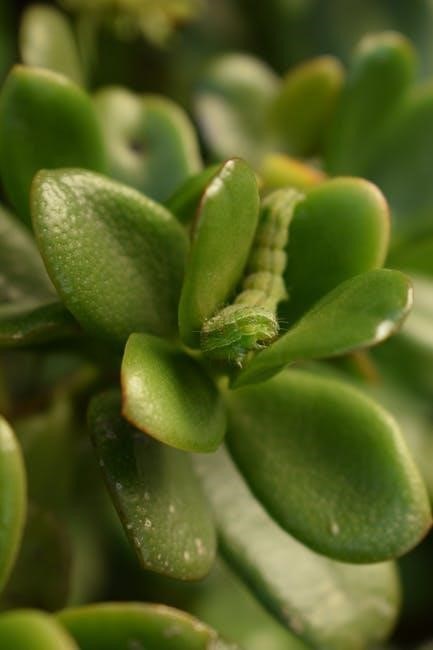
The skills gained through the Bugs Badge can be applied to a wide range of future activities‚ fostering a deeper connection with nature and enhancing problem-solving abilities. Girls can use their newfound knowledge of bug habitats and life cycles to contribute to environmental projects‚ such as creating pollinator gardens or participating in local conservation efforts. The observation and research skills developed during the badge process can be valuable in STEM-related activities‚ such as science fairs or experiments. Additionally‚ the creativity sparked by bug-inspired crafts can translate to other artistic endeavors or leadership projects. By applying these skills‚ girls can become more confident in their ability to explore and understand the world around them. These experiences also encourage teamwork and critical thinking‚ which are essential for future challenges. The Bugs Badge not only teaches about insects but also equips girls with skills that can be applied in many areas of life.
Encouraging Others to Earn the Badge
Encouraging others to earn the Bugs Badge fosters a sense of community and shared learning within the troop. Girls who have completed the badge can share their experiences and tips with others‚ inspiring them to explore the fascinating world of insects. By showcasing their bug-inspired crafts‚ discussing their field trip adventures‚ and explaining what they learned‚ they can spark curiosity and motivation in their peers. Leaders can also promote the badge by highlighting its educational value and the fun activities involved. Encouraging collaboration‚ such as working together on bug-friendly environments or hosting bug-themed events‚ can make the process more enjoyable and inclusive. Sharing success stories and celebrating achievements can further motivate others to pursue the badge. This collective approach not only strengthens teamwork but also spreads a greater appreciation for nature and its tiny creatures.
Leave a Reply