frame bike size guide
Navigating the world of bicycles requires understanding that proper frame sizing is paramount for comfort, efficiency, and overall enjoyment.
Selecting the correct size ensures optimal performance and minimizes the risk of injury, making each ride a pleasurable experience.
Why Proper Bike Fit Matters
Achieving a proper bike fit transcends mere comfort; it’s fundamentally about maximizing pedaling efficiency and preventing long-term physical strain. A poorly fitted bike forces your body into unnatural positions, leading to wasted energy and potential discomfort, or even injury. When your bike fits correctly, power transfer from your legs to the pedals is optimized, allowing you to ride further with less effort.
Incorrect sizing can manifest in various issues, including knee pain, back aches, and numbness in your hands. These aren’t simply inconveniences; they can derail your cycling progress and enjoyment. A well-fitted bike promotes a neutral spine, reduces stress on joints, and enhances overall control. It’s an investment in your physical well-being and a commitment to a sustainable cycling experience. Prioritizing fit ensures that your bike becomes an extension of your body, not a source of frustration.
Ultimately, a proper bike fit isn’t a one-time adjustment; it’s an ongoing process of refinement as your body changes and your cycling goals evolve.
Understanding the Key Measurements
Several crucial measurements determine the ideal bike fit, with wheel size, the center of the bottom bracket to the top of the seat tube (commonly referred to as bike size), being particularly relevant. While wheel size doesn’t drastically impact fit, avoiding obsolete 27-inch wheels is advisable. The ‘size’ of the bike, however, is a primary factor in ensuring proper ergonomics.
Beyond overall frame size, understanding top tube length is vital, as it dictates reach and overall riding posture. Reach, the horizontal distance from the bottom bracket to the head tube, influences how stretched out you are on the bike. Stack, the vertical distance from the bottom bracket to the head tube, affects handlebar height and comfort. These measurements, combined with seat tube angle and head tube angle, define the bike’s geometry.
Accurate measurements, including rider height and inseam, are essential for selecting the correct frame size. Utilizing bike size charts and online calculators can provide a starting point, but professional bike fitting is recommended for optimal results.

Bike Frame Size Charts: A Comprehensive Guide
Utilizing charts correlating rider height with frame size is a foundational step, though inseam measurements offer greater precision. Online calculators provide initial estimates, aiding in narrowing down options.
Rider Height and Frame Size Correlation
Generally, bike frame size is closely linked to a rider’s height, serving as a primary starting point for finding the right fit. Charts commonly categorize riders into height ranges, assigning corresponding frame sizes – often expressed in inches, centimeters, or letter designations (S, M, L, XL). For instance, individuals between 5’4” and 5’7” might typically fit a 54cm frame, while those between 5’10” and 6’0” could require a 58cm frame.
However, it’s crucial to recognize that height is not the sole determinant; Proportionality plays a significant role; riders with longer legs relative to their torso may need a larger frame, even if their height falls within a specific range. Conversely, those with shorter legs might benefit from a smaller frame. These charts are excellent for initial guidance, especially for commuter or hybrid bikes, but should not be considered definitive. Always cross-reference with inseam measurements and consider the bike’s geometry for a truly personalized fit. Remember that different manufacturers may also have slightly varying sizing standards.
Inseam Measurement for Accurate Sizing
A precise inseam measurement is arguably more critical than height alone when determining the appropriate bike frame size. To measure, stand with your back against a wall, wearing cycling shorts and shoes. Place a book between your legs, mimicking a saddle, and measure from the top of the book to the floor. This provides your inseam length.
Utilizing this measurement, you can consult more detailed sizing charts that correlate inseam with frame size and standover height. Standover height – the distance between the top tube and your crotch while standing over the bike – is vital for safety and maneuverability. Adequate clearance prevents injury during dismounts. Inseam measurements help refine the initial size estimate based on height, accounting for individual leg length variations.
Remember to check manufacturer-specific charts, as sizing can differ. Combining height and inseam data provides a more accurate starting point for finding a comfortable and efficient bike fit, especially for mountain and road bikes.
Using Online Bike Size Calculators
Numerous online bike size calculators offer a convenient starting point for determining your ideal frame size. These tools typically request your height, inseam, and sometimes arm length, to provide a recommended frame size range. While helpful, remember these calculators offer estimations, not definitive answers.
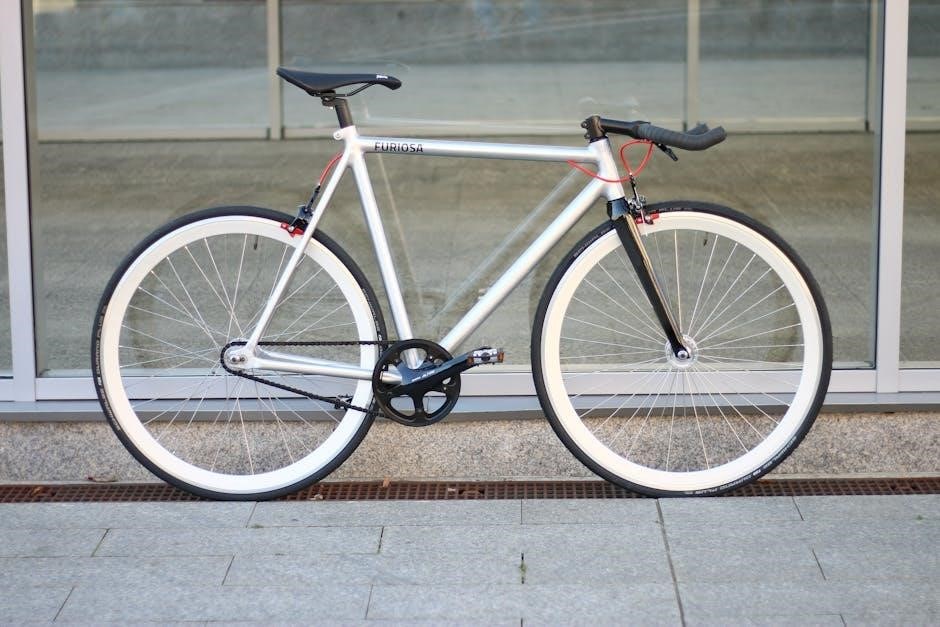
Different calculators may utilize varying algorithms and assumptions, leading to slightly different results. It’s wise to use multiple calculators from reputable cycling websites or brands and compare the recommendations. Consider these suggestions as a preliminary guide, not a final decision.
Always prioritize a professional bike fit for the most accurate assessment. Calculators cannot account for individual body proportions, flexibility, or riding style. They are best used to narrow down your options before visiting a local bike shop for a personalized fitting session, ensuring optimal comfort and performance.

Wheel Size and Its Impact on Fit
Wheel diameter influences a bike’s handling and fit; 27-inch wheels are largely obsolete. 29-inch wheels offer benefits, but may necessitate frame adjustments for optimal rider positioning.
27-inch Wheels: Considerations and Alternatives
Historically, 27-inch wheels were a common sight on older mountain bikes and some hybrid models. However, they’ve largely become obsolete, superseded by the more versatile 29-inch and 27.5-inch (650b) wheel sizes. If you encounter a bike with 27-inch wheels, it’s crucial to understand their limitations.
The primary drawback of 27-inch wheels is the limited availability of tires. Finding replacement tires can be challenging and expensive, as manufacturers have shifted their focus to newer standards. Furthermore, 27-inch wheels generally don’t offer the same rolling efficiency or obstacle-clearing ability as larger diameter wheels.

If you’re considering a bike with 27-inch wheels, carefully evaluate your needs and riding style. For casual riding on smooth surfaces, they might suffice. However, for more demanding terrain or frequent off-road adventures, upgrading to a bike with 29-inch or 27.5-inch wheels is highly recommended. Alternatives provide better performance, wider tire selection, and improved overall ride quality.
29-inch Wheels: Benefits and Sizing Adjustments
Dominating the modern mountain bike landscape, 29-inch wheels offer significant advantages in terms of rolling efficiency, obstacle negotiation, and stability. Their larger diameter allows them to roll over bumps and roots more easily, maintaining momentum and providing a smoother ride experience. This translates to increased speed and reduced rider fatigue, especially on challenging terrain.
However, the larger wheel size necessitates careful consideration of frame sizing. Generally, riders may find they need a slightly smaller frame with a 29er compared to a bike with smaller wheels, to maintain proper standover height and handling. Reach and stack measurements become particularly important to ensure a comfortable and controlled riding position.
When sizing a 29-inch bike, pay close attention to the top tube length and stem length. A longer top tube and shorter stem often provide better handling and stability. Proper fit is crucial to unlock the full potential of 29-inch wheels, maximizing their benefits and minimizing any potential drawbacks related to maneuverability.
Road Bike Wheel Sizes and Frame Compatibility
Traditionally, 700c wheels have been the standard for road bikes, offering a balance of speed, efficiency, and handling. However, variations within the 700c size – such as wheel width – impact tire clearance and overall frame compatibility. Modern road bikes are increasingly designed to accommodate wider tires, enhancing comfort and grip.
Frame geometry plays a crucial role in determining wheel and tire clearance. A frame designed for narrower tires may not accommodate wider 700c tires, potentially leading to rubbing or safety concerns. When selecting a road bike, consider the maximum tire width the frame can comfortably accommodate, based on your riding style and terrain preferences.
Compatibility extends beyond tire width. Disc brake road bikes often have different frame requirements compared to rim brake models. Ensure the frame is designed for the chosen brake type and wheelset. Careful consideration of these factors ensures a harmonious pairing of wheels and frame, optimizing performance and rider experience.
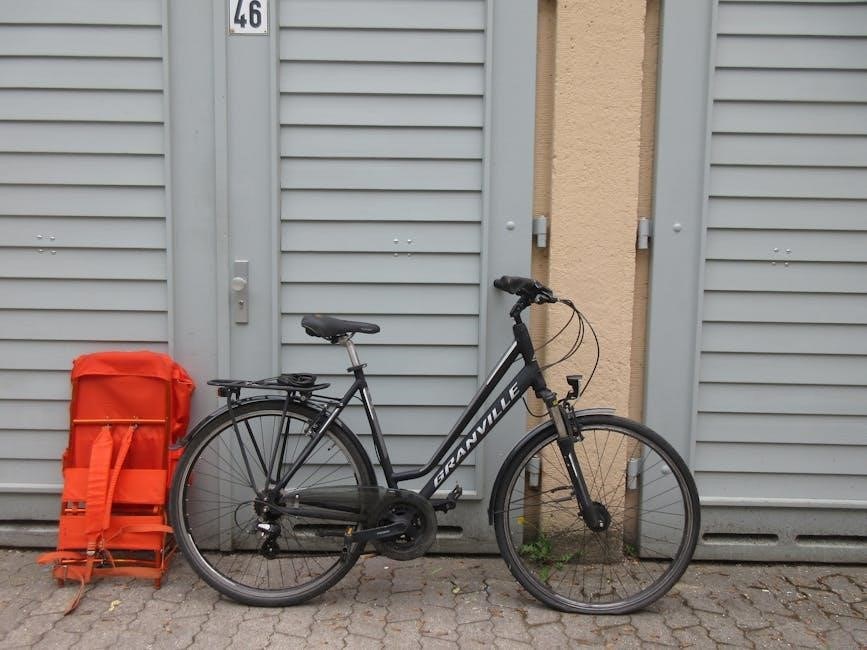
Frame Geometry and Its Influence
Understanding frame geometry—top tube length, head tube angle, and seat tube angle—is vital for a comfortable and efficient ride. These elements dictate handling, stability, and pedaling efficiency.
Top Tube Length: A Crucial Factor
The top tube length is arguably the most significant measurement influencing a bike’s fit and handling characteristics. It’s the horizontal distance from the head tube to the seat tube, directly impacting reach – the distance from the saddle to the handlebars. A longer top tube stretches the rider out, promoting a more aerodynamic position often favored by experienced cyclists and racers, enhancing stability at higher speeds.
Conversely, a shorter top tube results in a more upright and compact riding posture, offering greater control and comfort, particularly beneficial for recreational riders or those navigating technical terrain. Determining the appropriate top tube length requires considering not just height, but also arm length and flexibility. Incorrect top tube length can lead to discomfort, back pain, and inefficient power transfer.
Modern bike sizing often emphasizes ‘reach’ measurements, which combine top tube length with head tube angle to provide a more comprehensive fit assessment. When selecting a bike, prioritize a top tube length that allows for a comfortable and sustainable reach, ensuring proper weight distribution and control.
Head Tube Angle and Reach
The head tube angle, measured in degrees, significantly influences a bike’s steering responsiveness and overall handling. A steeper head tube angle (typically found on road bikes) results in quicker, more agile steering, ideal for fast-paced riding and tight turns. Conversely, a slacker head tube angle (common in mountain bikes) provides greater stability at high speeds and over rough terrain, enhancing control on descents.
Reach, closely linked to the head tube angle, defines the horizontal distance from the bottom bracket to the head tube. Combined, these measurements dictate the rider’s position relative to the front wheel, impacting weight distribution and steering feel. A longer reach generally promotes a more stretched-out, aerodynamic posture, while a shorter reach offers a more upright and comfortable position.
Understanding the interplay between head tube angle and reach is crucial for achieving a balanced and responsive ride. Selecting a bike with appropriate measurements ensures optimal handling characteristics tailored to your riding style and terrain preferences.
Seat Tube Angle and Pedal Efficiency
The seat tube angle, measured from the horizontal, profoundly impacts a cyclist’s pedal stroke and overall efficiency. A steeper seat tube angle positions the rider more forward over the bottom bracket, encouraging greater glute and hamstring engagement during the power phase of pedaling. This configuration is often favored by sprinters and riders prioritizing explosive power output.
Conversely, a slacker seat tube angle moves the rider’s weight rearward, promoting a more relaxed and endurance-focused pedaling style. This position reduces strain on the quadriceps and allows for a smoother, more sustainable pedal stroke over long distances. It’s commonly found on endurance road bikes and touring bicycles.
Optimizing seat tube angle is vital for maximizing pedal efficiency and minimizing fatigue. Proper alignment ensures that your body weight is effectively transferred to the pedals, resulting in increased power and reduced risk of injury. Consider your riding style and typical terrain when evaluating this crucial frame geometry parameter.

Specific Bike Types and Sizing
Different bicycle disciplines—mountain, road, and hybrid—demand unique sizing considerations due to varying geometries and intended uses.
Understanding these nuances is key to a comfortable fit.
Mountain Bike Frame Size Guide
Mountain bike sizing typically revolves around frame size, often measured in inches (small, medium, large, etc.) or centimeters, and correlates strongly with rider height. However, inseam measurement provides a more precise fit, especially crucial for navigating technical terrain. Charts generally suggest a small frame for riders under 5’6”, medium for those between 5’6” and 5’10”, and large for riders exceeding 5’10”.
Consider reach and stack measurements, reflecting the bike’s overall geometry. Shorter reach suits aggressive, nimble riding, while longer reach offers stability at higher speeds. Modern mountain bikes often prioritize reach over traditional seat tube length.
Furthermore, wheel size impacts the feel and handling. 27.5-inch wheels offer quicker acceleration and maneuverability, while 29-inch wheels excel in rolling over obstacles and maintaining momentum. Always prioritize a test ride to confirm the fit and handling characteristics align with your riding style and preferences. Cannondale and Kona provide detailed sizing charts based on both height and inseam.
Road Bike Frame Size Guide
Road bike sizing traditionally focuses on frame size, measured from the center of the bottom bracket to the top of the seat tube, often in centimeters. Rider height is a primary factor, with charts suggesting sizes ranging from 47cm for riders under 5’4” to 61cm+ for those over 6’2”. However, inseam measurement offers a more accurate assessment, particularly for individuals with proportionally longer or shorter limbs.
Crucially, road bike fit emphasizes reach and stack, influencing rider position and aerodynamics. A longer reach promotes a more stretched-out, efficient posture, while stack height affects handlebar height and comfort.
Consider that different brands may have varying sizing conventions. Always consult the manufacturer’s specific size chart. Experts emphasize proper fitting for optimal comfort and performance. Test rides are invaluable to assess handling and ensure the bike feels responsive and comfortable. Bike Fit specialists can provide personalized recommendations based on your body measurements and riding style.
Hybrid Bike Frame Size Guide
Hybrid bikes, designed for versatility, offer a broader range of sizing options compared to specialized bikes. Frame sizes are typically indicated in inches (small, medium, large, etc.) or centimeters. Rider height remains a key determinant, with charts generally aligning small frames with riders under 5’4”, medium frames with those between 5’4” and 5’10”, and large frames for riders exceeding 5’10”.
However, standover height – the clearance between the top tube and the rider’s crotch – is particularly important for hybrid bikes, facilitating easy mounting and dismounting. Inseam measurement provides a more precise standover height assessment.

For commuters and casual riders, a slightly more upright position is often preferred, prioritizing comfort over aggressive aerodynamics. Adjustments to stem length and handlebar height can fine-tune the fit. Considering the intended use – commuting, fitness, or recreational riding – will influence the ideal frame size and fit. Always prioritize a comfortable and controlled riding experience.
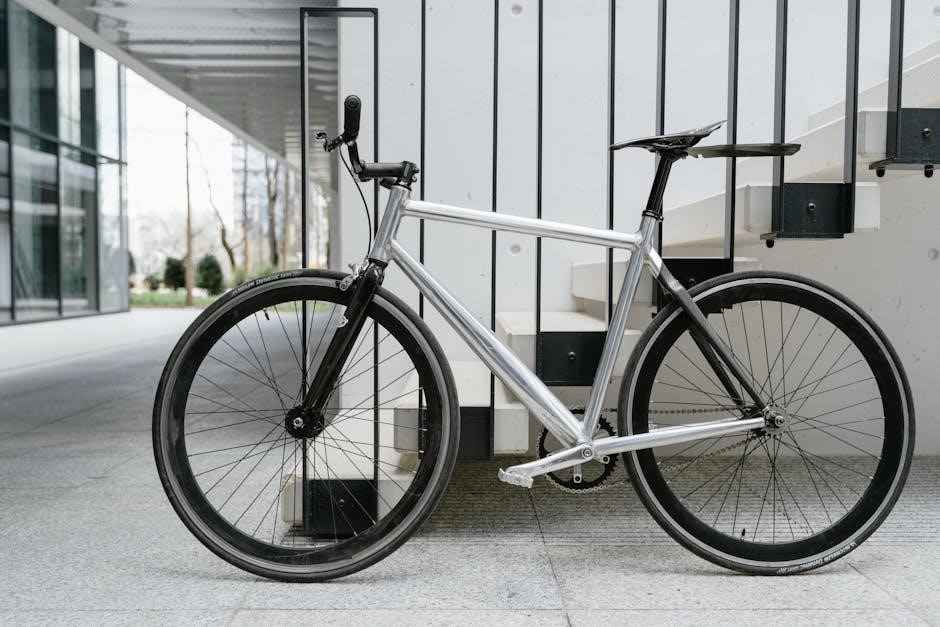
Fine-Tuning Your Bike Fit
Achieving a perfect fit extends beyond frame size; adjustments to saddle height, handlebar reach, and cleat position are crucial for maximizing comfort and pedaling efficiency.
Saddle Height Adjustment
Proper saddle height is fundamental to efficient cycling. A common starting point involves positioning the saddle so that your leg is almost fully extended at the bottom of the pedal stroke, with a slight bend remaining in the knee. This ensures optimal power transfer and reduces strain on your joints.
To refine this, sit on the bike with your heel on the pedal at its lowest point. Your leg should be straight. When you move your foot to the ball of your pedal, your knee should have a slight bend – approximately 25 to 35 degrees. This “heel-on-pedal” method provides a reliable initial adjustment.
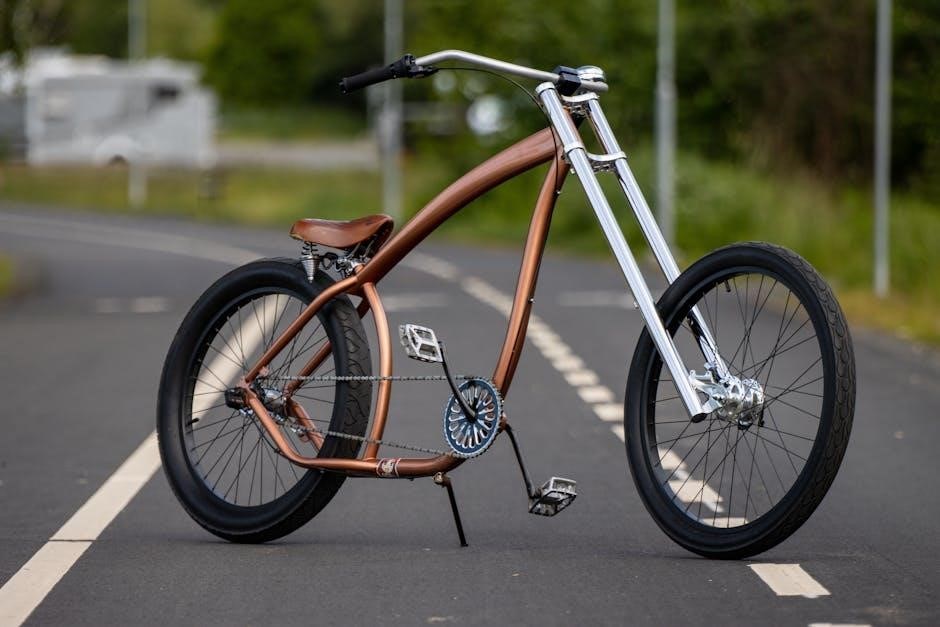
Incremental adjustments are key. Raise or lower the saddle in small increments (a few millimeters at a time) and ride to assess the impact. Too high, and you’ll rock side-to-side, wasting energy and potentially causing saddle sores. Too low, and you’ll feel cramped and struggle to generate power. Finding the sweet spot requires patience and experimentation, ultimately leading to a more comfortable and effective ride.
Handlebar Reach and Stem Length
Achieving a comfortable and efficient handlebar position hinges on proper reach – the distance from your saddle to your handlebars. An incorrect reach can lead to back pain, neck strain, and reduced control. Stem length plays a crucial role in adjusting this reach.
Generally, a more upright riding position requires a shorter stem, while a more aggressive, aerodynamic position benefits from a longer stem. A good starting point is to ensure your elbows are slightly bent when holding the handlebars in a typical riding position. This allows for shock absorption and comfortable breathing.
Adjustments should be made incrementally. Swapping stems of different lengths (e.g., 10mm increments) is the most effective way to fine-tune your reach. Consider also handlebar width, as wider handlebars offer more control but can increase reach. Professional bike fitting can provide precise measurements and recommendations tailored to your body geometry and riding style, ensuring optimal comfort and performance.
Cleat Position for Optimal Pedaling
Precise cleat positioning is fundamental for efficient power transfer and injury prevention when using clipless pedals. Incorrect placement can cause knee pain, hot spots on your feet, and reduced pedaling efficiency. The goal is to align your cleats with the natural biomechanics of your legs.
Typically, the cleat should be positioned so the ball of your foot is over the pedal spindle. Fore-and-aft adjustment impacts muscle engagement; further forward emphasizes quad activation, while further back engages the hamstrings and glutes more. Rotational adjustment (float) allows for natural foot movement and reduces strain on the knees.
Start with a neutral position and make small adjustments based on feel and any discomfort experienced during riding. A professional bike fit can utilize tools to accurately measure leg angles and recommend optimal cleat placement. Regularly check and readjust cleats as your riding style evolves or wear occurs, maximizing comfort and performance.
Leave a Reply