rug size guide living room
Welcome to our comprehensive rug size guide for living rooms! This guide helps you navigate the process of selecting the perfect rug size for your space, ensuring it complements your room’s dimensions, furniture layout, and personal style. Discover how to measure effectively, understand popular sizes like 8×10 or 9×12 feet, and transform your living area with the ideal rug choice.
Why Choosing the Right Rug Size Matters
Choosing the right rug size is essential for balancing your living room’s aesthetics and functionality. A rug that’s too small can make the space feel disjointed, while one that’s too large may overwhelm it. Proper sizing ensures your furniture fits comfortably, creating a cohesive layout. It also highlights your room’s dimensions and enhances the overall decor. A well-sized rug acts as a decorative anchor, tying together furniture and color schemes. Investing time in selecting the correct size ensures your rug complements the room’s functionality and visual harmony, making it a worthwhile effort for a polished look.
Overview of Popular Rug Sizes for Living Rooms
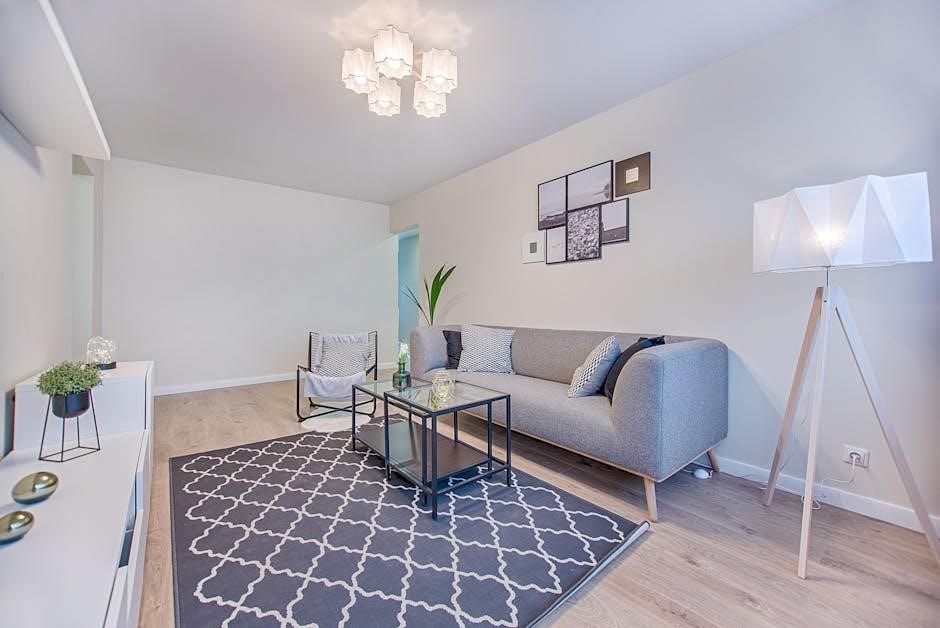
The most popular rug sizes for living rooms are 8×10 feet and 9×12 feet, as they fit typical room dimensions and provide a balanced look. These sizes are versatile, accommodating various furniture layouts while leaving a border of exposed flooring. Smaller rugs, such as 5×7 feet, are ideal for cozy spaces or defining seating areas, while larger rugs, like 10×14 feet, suit expansive rooms. Choosing a size that aligns with your room’s proportions ensures a harmonious and functional design, making your living room feel inviting and well-curated.
Factors to Consider When Selecting a Rug Size
When selecting a rug size, consider room dimensions, furniture layout, and personal style. Ensure the rug fits comfortably, leaving a border of flooring visible for a balanced, cohesive look that enhances functionality and aesthetics.
Measuring Your Living Room Space
Measuring your living room accurately is essential for choosing the right rug size. Start by measuring the room’s length and width using a tape measure. Consider the furniture arrangement, as the rug should fit under the front legs of sofas or chairs. A common rule is to subtract 6 feet from both the room’s length and width to determine the maximum rug size, ensuring a border of flooring remains visible. This creates a balanced look and prevents the rug from overwhelming the space. Additionally, measure doorways and hallways to ensure the rug fits seamlessly without obstructing traffic or door swings. Proper measurement ensures the rug complements the room’s proportions and enhances functionality and aesthetics. Always double-check your measurements to avoid sizing errors and guarantee the perfect fit for your living room rug. By carefully assessing your space, you can select a rug that harmonizes with your room’s layout and design, ensuring a cohesive and inviting atmosphere. Remember, accurate measurements are the foundation of a well-chosen rug size.
Assessing Furniture Layout and Placement
When selecting a rug, consider the size and placement of your furniture to ensure the rug fits seamlessly. Measure the dimensions of your sofa, chairs, and coffee table to determine how much of the rug will be visible. For a cohesive look, the rug should extend at least 6 inches beyond the furniture on all sides. If floating furniture, ensure the rug is large enough to fit under all pieces evenly. For smaller spaces, opt for a rug that frames the seating area without overwhelming it. Symmetry is key to creating a balanced and inviting atmosphere in your living room.
Personal Style and Design Aesthetic
Your rug choice should reflect your personal style and complement the room’s design. Consider the color palette, patterns, and textures in your living room to ensure the rug harmonizes with the space. For modern aesthetics, opt for sleek, minimalist designs, while traditional styles may benefit from intricate patterns. The rug’s texture can also enhance the room’s ambiance, with plush options for cozy vibes or flat-weave for a more casual look. Ultimately, the rug should tie together your furniture and decor, creating a cohesive and inviting atmosphere that mirrors your unique taste.
Standard Rug Sizes for Living Rooms
Standard rug sizes for living rooms range from 5×7 feet to 9×12 feet, offering options to suit various spaces and design preferences effectively.
Small Rugs (5×7 feet and smaller)
Small rugs, such as 5×7 feet and smaller, are ideal for cozy spaces or defining specific areas within larger rooms. They work well in apartments, entryways, or under chairs. These rugs are perfect for smaller living rooms or for creating a focal point without overwhelming the space. They can also be used to add color and texture to a room while maintaining a sense of openness. Small rugs are versatile and easy to place, making them a practical choice for various design needs.
Medium Rugs (6×9 feet to 8×10 feet)
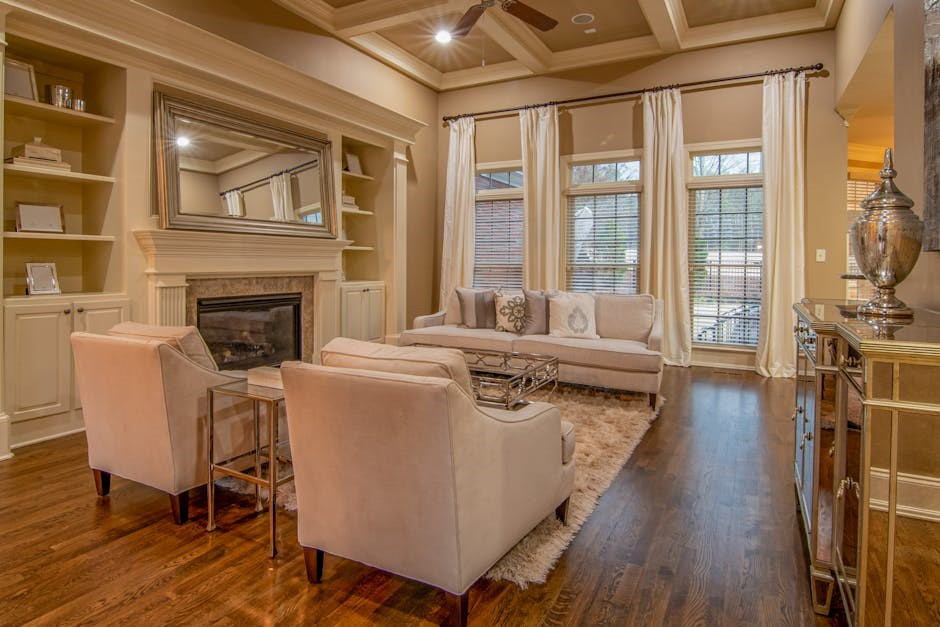
Medium-sized rugs, ranging from 6×9 to 8×10 feet, are a popular choice for average-sized living rooms. These rugs provide ample coverage to anchor furniture while leaving space around the edges for a balanced look. They work well under sofas, chairs, and coffee tables, creating a cozy yet open feel. The 8×10-foot size is particularly versatile, fitting most standard living rooms. Medium rugs complement both modern and traditional decor, offering warmth and style without overwhelming the space. They are ideal for defining seating areas in larger rooms.
Large Rugs (9×12 feet and larger)
Large rugs, such as 9×12 feet and bigger, are ideal for spacious living rooms or open-concept areas. They can accommodate oversized furniture and create a grand, cohesive look. These rugs often serve as a focal point, adding warmth and style to the room. For larger spaces, they can extend beyond seating areas to create a sense of flow. A 12×15-foot rug, for example, works well in expansive rooms, defining the space while maintaining an open feel. Large rugs are perfect for making a statement and enhancing the aesthetic of larger interiors.
Layout and Placement Options
Proper rug placement enhances functionality and aesthetics. Symmetrical layouts create balance, while asymmetrical designs add modern flair. Layering rugs or positioning them near doors can define zones within open spaces.
Floating Furniture on the Rug
Floating furniture on the rug creates a cohesive look and defines the seating area. Choose a rug large enough to fit all furniture, with 6-12 inches of rug visible around the edges for balance. This layout works well in open-concept spaces, preventing furniture from feeling isolated. Ensure the rug is proportional to the room size and furniture dimensions. A 9×12-foot rug is ideal for most living rooms, providing ample space for a sofa, chairs, and coffee table. This setup adds warmth and harmony to the space.
Placing the Rug Under the Sofa
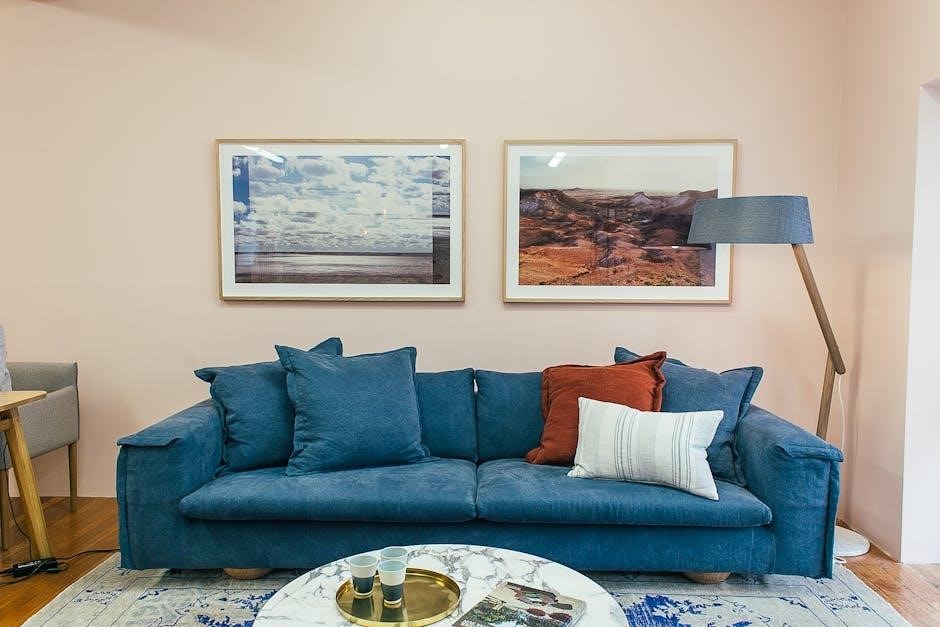
Placing the rug under the sofa is a popular choice that enhances the room’s aesthetic and provides comfort. The rug should be large enough to extend beyond the sofa’s front legs, typically by 6-12 inches on each side. A rectangular rug is recommended for this layout, as it complements the sofa’s shape. Ensure the rug is not too thick to prevent instability. This placement helps anchor the furniture and creates a cohesive look, making the room feel more inviting and balanced.
Wall-to-Wall Rug Placement
Wall-to-wall rug placement creates a seamless, elegant look by covering the entire floor from one wall to another. This style is ideal for large living rooms, as it unifies the space and adds warmth. The rug should fit snugly, leaving minimal gaps between the walls. It can make the room feel more spacious and harmonious. However, ensure the rug is proportionate to the room size to avoid overwhelming the area. This placement works well with minimalist decor and modern designs, offering a luxurious aesthetic.
Expert Tips for Choosing the Perfect Rug Size
Measure furniture dimensions, consider traffic flow, and ensure the rug extends beyond seating areas for a balanced look. Opt for symmetry and proportionate sizing to enhance room harmony.
Leaving Space Around the Rug
Leaving space around the rug creates a balanced, polished look in the living room. Aim for at least 6-12 inches of bare floor on all sides to avoid overwhelming the space. This frame allows furniture to sit comfortably off the rug while maintaining clean lines. Proper spacing enhances the room’s proportions and prevents the rug from feeling cramped. For smaller rooms, adjust the border width to fit the scale, ensuring functionality and visual harmony.
Matching Rug Size to Furniture Dimensions
Matching the rug size to furniture dimensions ensures a cohesive and functional layout. Measure your furniture to determine the ideal rug size, ensuring all pieces fit comfortably on or around the rug. A rug should be large enough to extend beyond the front legs of sofas and chairs, creating a harmonious look. For example, a 9×12-foot rug works well under a standard sofa. Choose a rug that aligns with your furniture’s scale to enhance the room’s aesthetics and usability. Use painter’s tape to visualize the rug’s placement before purchasing.
Considering Traffic and Room Function
When selecting a rug size, consider the room’s traffic and function. High-traffic areas, like entryways, benefit from smaller, durable rugs that can withstand foot traffic. In low-traffic spaces, focus on comfort and aesthetics. For multi-functional rooms, choose a rug large enough to define zones, such as seating or dining areas. Ensure the rug complements the room’s purpose, whether it’s for relaxation, entertaining, or daily use. This ensures practicality and enhances the space’s usability. Always test the rug’s size with tape before purchasing for the best fit.
Budget and Rug Size Considerations
Larger rugs are generally more expensive, so budget plays a significant role in size selection. Balance quality, material, and size to stay within financial limits while meeting aesthetic needs.
Cost Implications of Different Rug Sizes
Rug size significantly impacts cost, with larger rugs generally being more expensive. Material quality, thickness, and brand also influence pricing. A small 5×7-foot rug might cost between $100-$500, while a large 9×12-foot rug can range from $500-$2,000 or more. Budget-conscious shoppers may opt for smaller or medium-sized rugs, but larger spaces often require bigger rugs for proper coverage. Balancing size, quality, and budget is crucial to achieving the desired aesthetic without overspending.
- Larger rugs cost more due to material and labor.
- Smaller rugs are more affordable but may not suit large spaces.
- Quality and brand can significantly affect pricing.
Balancing Quality and Size Within a Budget
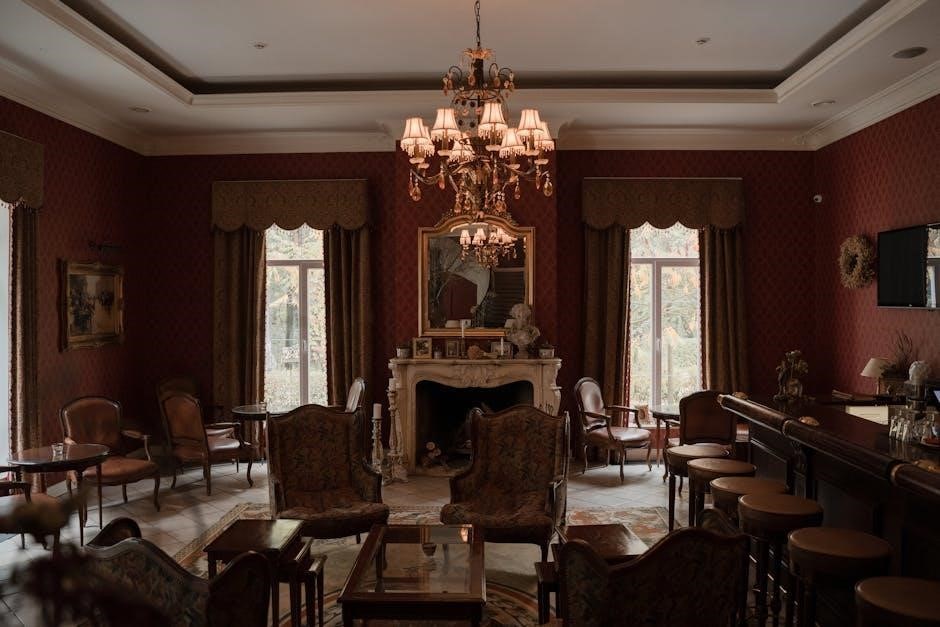
When selecting a rug, balancing quality and size within your budget is essential. Prioritize your needs: do you value durability, material, or covering a large area? High-quality rugs made from natural fibers like wool or silk are more expensive but last longer. Synthetic rugs are budget-friendly but may not endure as long. Consider your lifestyle and long-term use to decide where to allocate your funds. A smaller, high-quality rug might be better than a large, low-quality one that may need replacement sooner.
- Natural fibers like wool offer durability but at a higher cost.
- Synthetic rugs are more affordable but may have a shorter lifespan.
- Invest in quality if the rug will see heavy use.

Measuring and Tools for Rug Placement
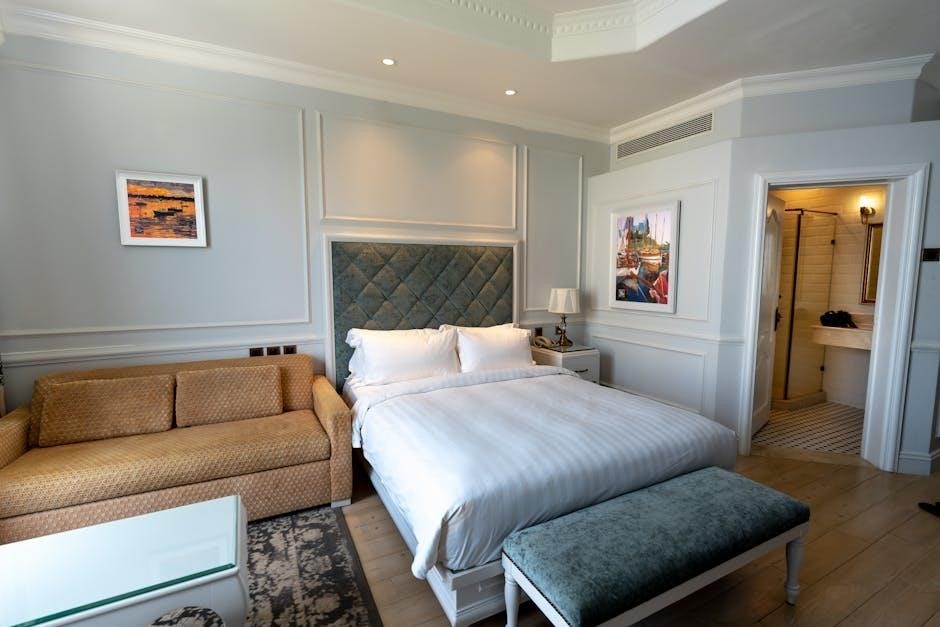
To ensure proper rug placement, use a tape measure, graph paper, and pencil to map your room dimensions and furniture layout. Measure doorways and pathways to ensure the rug fits seamlessly. Mark potential rug sizes on the floor with masking tape for a visual preview. This helps in selecting the ideal size and shape for your space.
- Use a tape measure for accurate room and furniture measurements.
- Graph paper helps sketch the layout and plan rug placement effectively.
- Masking tape allows you to visualize different rug sizes on the floor.
How to Measure Your Room for a Rug
Accurately measure your living room to determine the ideal rug size. Use a tape measure to record the room’s length and width. Measure between furniture legs for larger rugs. Consider doorways, hallways, and traffic paths to ensure the rug fits without obstruction. For irregularly shaped rooms, break the space into sections and measure each area separately. This ensures the rug complements the room’s proportions and layout. Always double-check measurements for accuracy before selecting a rug size.
- Measure the room’s length and width with a tape measure.
- Account for furniture placement and door swing clearance.
- Double-check measurements to ensure accuracy.
Using a Rug Size Chart for Guidance
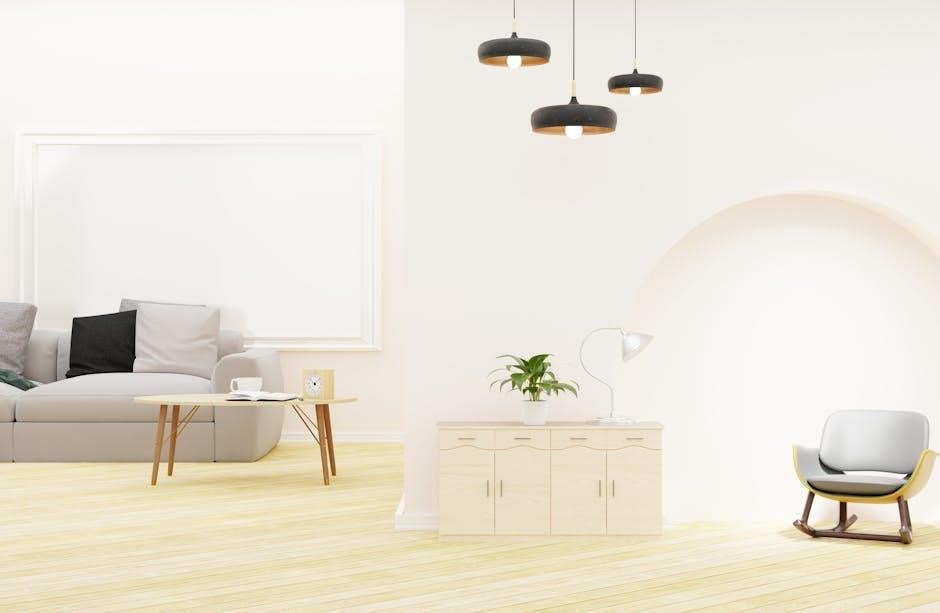
A rug size chart provides a visual reference to help determine the best rug dimensions for your living room. These charts typically correlate room size with rug size, ensuring proportions are balanced. Start by matching your room’s measurements to the chart, then consider furniture size and layout. Use the chart to visualize how different rug sizes will fit, ensuring the rug complements the space without overwhelming it. This tool simplifies the selection process, helping you make an informed decision.
- Match room dimensions to rug size recommendations.
- Consider furniture size and layout in relation to rug size.
- Use the chart to visualize proportions and balance.
Visual Guide and Examples
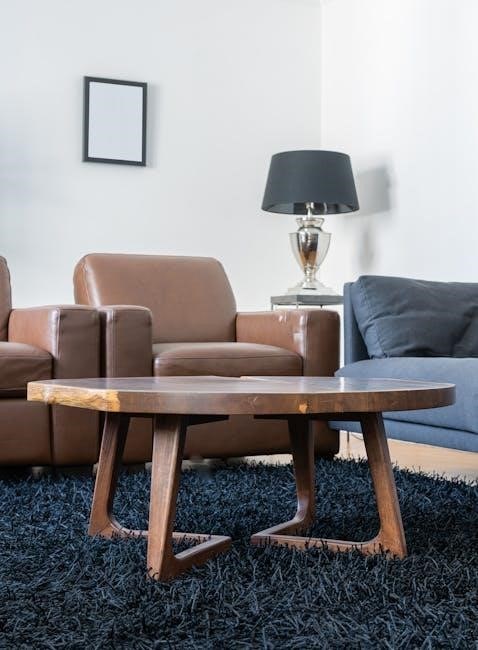
A visual guide showcases rug sizes in various living room settings, helping you envision the perfect fit. High-quality images and labeled diagrams illustrate placement and proportions.
- See how different rug sizes complement room layouts.
- Compare before-and-after scenarios to understand impact.
- Explore style options for modern, traditional, or minimalist spaces.
Real-Life Examples of Rug Placement
Real-life examples demonstrate how rugs can transform living rooms. For instance, a small 5×7-foot rug fits neatly under a coffee table in a cozy space, defining the seating area. In a medium-sized room, an 8×10-foot rug anchors the furniture, creating a balanced look. Large rooms benefit from 9×12-foot rugs that extend under sofas and chairs, unify the decor, and add warmth. These examples, often shown in photos or diagrams, help homeowners visualize the ideal rug size for their unique spaces, ensuring functionality and aesthetic appeal.
Before and After Scenarios
A small living room with a too-large rug can feel cramped, while a rug that’s too small may make the space feel disjointed. Before: Imagine a room where furniture floats without a rug, creating a cold, uninviting atmosphere. After: Adding the right-sized rug unifies the space, softens acoustics, and adds warmth. For example, a medium-sized rug under the coffee table and sofa creates a cozy seating area, transforming the room into a welcoming retreat. This visual transformation highlights the importance of proper rug sizing for functionality and aesthetics.
Summarizing Key Points for Rug Size Selection
When choosing a rug size for your living room, measure the space and furniture to ensure proper fit. Consider the room’s purpose and traffic flow. Standard sizes range from small (5×7 feet) to large (9×12 feet or more). Place furniture legs on or off the rug based on your layout. Personal style and design aesthetic should guide your decision. Balance quality and size within your budget. Always leave space around the rug for a polished look. Experiment with placement to find the perfect fit for your room’s unique needs.
Encouraging Readers to Experiment and Adjust
Don’t be afraid to experiment with rug sizes and placements until you find the perfect fit. Every room is unique, and what works in one space may not work in another. Start with a smaller rug to test the look, then adjust as needed. Use tape or cardboard to visualize larger sizes before committing. Remember, personal preference plays a significant role, so trust your instincts. Adjusting your rug size or layout is a normal part of the design process, and it’s okay to make changes until your space feels just right.
Leave a Reply