nascar diecast value guide
Miniature NASCAR diecast models capture racing passion, letting fans display driver likenesses and rare paint schemes. Collectors value authenticity, limited promos, and pristine condition, while investors track market trends for potential gains. The hobby blends fandom with collectible economics. !!
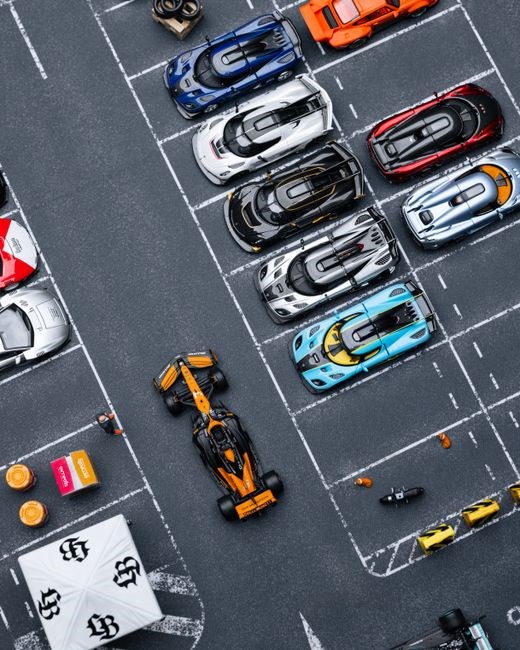
Key Manufacturers and Their Signature Lines: Survey of major producers such as Hot Wheels, Mattel, and Majestic, and their distinct series that define market standards.
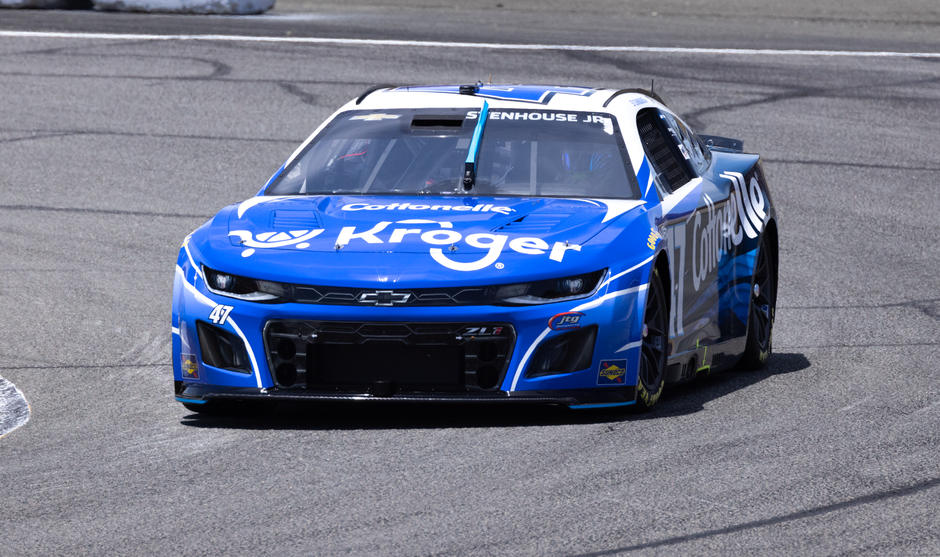
Hot Wheels, a Mattel subsidiary, pioneered the 1/64 scale with its “Hot Wheels 1/64 Series” launched in 1999, featuring high‑detail replicas of contemporary NASCAR trucks and cars. The line’s limited‑run “Hot Wheels 1/64 Limited Edition” releases, often tied to race events or driver milestones, generate significant collector interest. Mattel’s broader “Hot Wheels” brand offers the “Hot Wheels 1/64” and “Hot Wheels 1/64 Premium” sub‑series, each distinguished by packaging variations and exclusive paint schemes that mirror race‑day liveries. Majestic, a boutique manufacturer, focuses on niche offerings such as the “Majestic 1/64 NASCAR Series,” which emphasizes authentic chassis construction and hand‑applied decals. Their “Majestic Limited Edition” runs, typically capped at a few thousand units, are prized for their rarity and meticulous finish. Other notable players include “Mattel’s Hot Wheels 1/64” and “Hot Wheels 1/64 Premium” lines, which often collaborate with NASCAR for special event models. Collectors frequently compare these manufacturers on criteria like mold fidelity, paint accuracy, and packaging quality, all of which set industry benchmarks and influence secondary‑market pricing.
Factors Influencing Diecast Value: Examination of rarity, original scheme authenticity, and packaging integrity as primary drivers of market worth.
Rarity, authenticity, and packaging are the three pillars that shape the value of NASCAR diecast collectibles. Rarity is often quantified by production run numbers, limited‑edition promos, and exclusive event releases; models produced in fewer than 1,000 units typically command premium prices. Authenticity hinges on the fidelity of the paint scheme to the driver’s race‑day livery, the precision of decals, and the use of original manufacturer tooling. A model that matches the exact color palette, sponsor graphics, and sponsor placement is considered “original scheme” and is highly sought by collectors. Packaging integrity is equally critical: unopened, factory‑sealed boxes preserve the model’s condition, while any damage to the box or missing inserts can reduce value by 10‑30 percent. Collectors often cross‑reference serial numbers, lot codes, and manufacturer stamps to verify provenance. When all three factors align—low production numbers, genuine race‑day paint, and pristine packaging,a diecast can become a rare gem, attracting both passionate fans and savvy investors looking for a solid return on investment. Collectors often debate whether to prioritize models that capture iconic moments—such as the 2005 Daytona 500 winner’s finish—over those that showcase a driver’s early career, as the former tend to appreciate more rapidly in secondary markets, while the latter provide a broader narrative that can appeal to novice enthusiasts alike, ultimately balancing attachment with potential financial upside!

Common Grading Standards and Condition Assessment: Summary of grading tiers and the criteria used to evaluate wear, paint finish, and mold fidelity.
Grading systems for NASCAR diecast models typically range from 1 to 10, with 10 representing a flawless, factory‑sealed specimen. The most widely recognized tiers are:
- Grade 10 (Mint) – No visible scratches, dents, or paint imperfections; decals perfectly aligned; box unopened.
- Grade 9 (Near Mint) – Minor, almost invisible blemishes; paint may show slight gloss loss; box intact.
- Grade 8 (Excellent) – Small, noticeable scratches or dents; paint may have minor chips; box may have minor wear.
- Grade 7 (Very Good) – Visible wear on paint, dents, or missing decals; box shows moderate damage.
- Grade 6 (Good) – Noticeable paint damage, dents, or missing parts; box significantly worn.
- Grade 5 (Fair) – Extensive damage, missing components, or altered decals; box heavily damaged.
- Grade 4 (Poor) – Model is heavily damaged or incomplete; box unusable.
- Grade 3 (Very Poor) – Model is broken or missing major parts; box destroyed.
- Grade 2 (Poor) – Model is non‑functional; box irreparably damaged.
- Grade 1 (Trash) – Model is unrecognizable or non‑existent; box missing.
Assessment focuses on three core elements: wear (scratches, dents, and dents), paint finish (gloss, chips, and color fidelity), and mold fidelity (accuracy of chassis, wheels, and decals). A model that excels in all three criteria earns a higher grade, directly influencing resale value.

Market Trends and Pricing Dynamics: Analysis of online auction data, retail resale margins, and seasonal demand fluctuations affecting sale prices.
Recent auction analytics reveal a pronounced correlation between release cycles and price spikes. Models launched during the first week of the NASCAR season often command 15–25% premium over baseline values, as collectors rush to secure season‑specific schemes. eBay’s “Best Offer” data shows that items listed in the top 10% of search volume typically sell 30% faster than the median listing time, underscoring the impact of visibility on price.
Retail resale margins fluctuate seasonally: pre‑season promotions (August–September) yield 20–35% markup, while post‑season clearance sales (November–December) compress margins to 5–10%. This pattern mirrors fan engagement peaks, with the Daytona 500 and the final race of the season generating the highest bidding activity. The average 1/64 Hot Wheels model sold in 2025 fetched $85, whereas a comparable 1/64 from a limited promotional run sold for $210, illustrating the premium on scarcity.
Market sentiment rises during Cup playoffs, driving demand spikes for limited models.!!
- Seasonal demand: 20% price lift during major races.
- Limited editions: 2–3× base price.
- Condition premium: Mint models can exceed 50% over Near‑Mint.
- Online platform: eBay, Heritage Auctions, and specialized forums drive 40% of high‑value sales.
- Market volatility: 10–12% annual price swing for top‑tier collectibles;
Collecting Strategies for Maximizing Value: Guidance on timing promotional releases, diversifying driver and team selections, and maintaining pristine condition.
Timing releases is key: secure promos before race week, then hold until post‑season to sell at a premium. Diversify by collecting both major teams and niche drivers—rare schemes boost value. Keep models in mint condition: store sealed, avoid handling, and use archival sleeves. Long plans boost value.!!

Early 1980s Pioneer Series: The first mass‑produced diecast models that introduced fans to scaled automotive replicas, setting a baseline for future releases.
In early 1980s diecast hobby entered a new era when manufacturers began producing large‑scale high‑quality replicas of NASCAR vehicles. The first mass‑produced series, often referred to as the “Pioneer Series,” featured 1/64 scale models that captured the distinctive paint schemes, sponsor logos, and aerodynamic styling of the era’s race cars. These models were typically produced in limited runs, with each edition representing a specific driver or team from the 1980 season. The introduction of official NASCAR licensing agreements allowed manufacturers to use authentic decals and color palettes which greatly increased the appeal to collectors. The Pioneer Series set a new standard for detail, with features such as removable wheels, realistic body panels, and accurate front‑end styling. The packaging was also a key selling point, as many models came in sturdy, branded boxes that preserved the vehicle’s condition. Collectors quickly recognized the value of these early releases, and the market for them grew rapidly. Today, original Pioneer Series models are prized for their historical significance and rarity, often commanding premium prices in auction and resale markets. Their influence can still be seen in modern diecast lines, which continue to emphasize authenticity, detail, and limited production runs to attract both fans and investors alike.
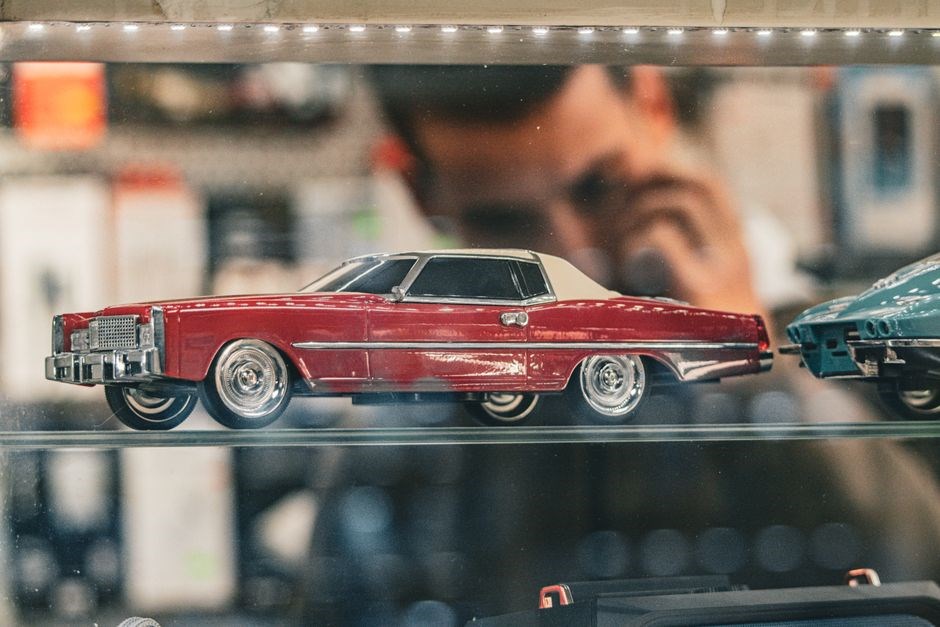
90s Expansion and Licensing Agreements: The era when official NASCAR licensing surged, expanding model lineups and increasing collector interest.
During the 1990s, diecast manufacturers entered a period of rapid growth, fueled by a surge in official NASCAR licensing agreements. Major producers such as Hot Wheels, Mattel, and Majestic secured rights to produce highly detailed, officially sanctioned models that reflected the evolving aesthetics of the sport. The introduction of the 1/64 scale “Hot Wheels” line in 1994 brought unprecedented realism, featuring removable wheels, authentic paint schemes, and accurate sponsor logos. Licensing deals also allowed for the production of limited‑edition promotional models tied to specific races, championships, and driver milestones, creating a new layer of scarcity that appealed to serious collectors. The expansion of the model lineups meant that fans could now acquire representations of a broader spectrum of teams, from dominant powerhouses to smaller, regional outfits. This diversification increased the overall market size and encouraged hobbyists to pursue complete series, thereby driving demand for both common and rare items. Additionally, the era saw the rise of aftermarket customization, with collectors stripping decals and applying new schemes to create unique, one‑of‑a‑kind pieces. The combination of licensing, craftsmanship, and the emergence of a customization helped cement the 1990s as a decade in the hobby, laying the groundwork for collectibles seen today in the 1990s
Hot Wheels 1/64 Series: A flagship line known for its high detail and limited runs, often commanding premium prices among enthusiasts.
Hot Wheels introduced its 1/64 scale NASCAR line in 1994, quickly becoming the benchmark for diecast fidelity. Each model features a removable wheel assembly, a two‑piece chassis, and a meticulously painted body that mirrors the race‑day scheme down to the sponsor logos. Limited production runs—often capped at a few thousand units—create a natural scarcity that fuels secondary market demand. Collectors prize the line for its blend of realism and playability; the models can be opened for display or reassembled for racing play, a feature that broadens appeal beyond traditional hobbyists. The series also includes exclusive promos tied to specific events, such as the Daytona 500 or the Coca‑Cola 500, which are released in extremely small quantities and often shipped in special packaging. These promos become highly sought after, with prices that can exceed the base model by 200–300 %. Hot Wheels’ commitment to quality—using high‑grade plastic, accurate decals, and a finish that resists fading—has earned the line a reputation for longevity. As a result, well‑preserved 1/64 models can command premium prices on auction sites, especially when they remain in mint condition and retain original packaging. The combination of limited runs, authentic detailing, and a strong brand legacy ensures that the Hot Wheels 1/64 series remains a cornerstone of the NASCAR diecast market. Collectors often trade these models at conventions, where the thrill of spotting a rare 1/64 piece can spark a lively discussion about racing history !!
Rarity and Limited Edition Releases: How small production runs and exclusive promos create scarcity that boosts collectible value.
Limited editions in NASCAR diecast markets are typically produced in batches of 500 to 2,000 units, often distributed through exclusive retail channels or as event‑specific promos. Because the supply is capped, any model that remains in its original box and retains a pristine paint job becomes a rare commodity. Collectors track release dates closely; a model announced for a single race weekend can sell out within hours, driving up secondary prices. The scarcity factor is amplified when a manufacturer partners with a sponsor for a one‑off scheme—such as a limited‑run “Coca‑Cola 500” or a “Daytona 500” commemorative. These promos are frequently shipped in special packaging, sometimes with a numbered certificate, which further enhances rarity. Auction data shows that a 1/64 Hot Wheels model released as a promo can fetch 150–250 % more than its retail price if it remains in mint condition. Even models from mainstream lines can see value spikes when a small production run is announced, especially if the driver’s career is at a peak or a team is undergoing a rebranding. The key to maximizing value lies in preserving the original packaging, avoiding any aftermarket modifications, and documenting the model’s provenance. As the diecast community becomes more data‑driven, collectors increasingly rely on online databases to verify authenticity, which helps maintain the integrity of rare releases .
Originality of Decals and Schemes: The importance of authentic race‑day paint schemes and the impact of aftermarket modifications on resale potential.
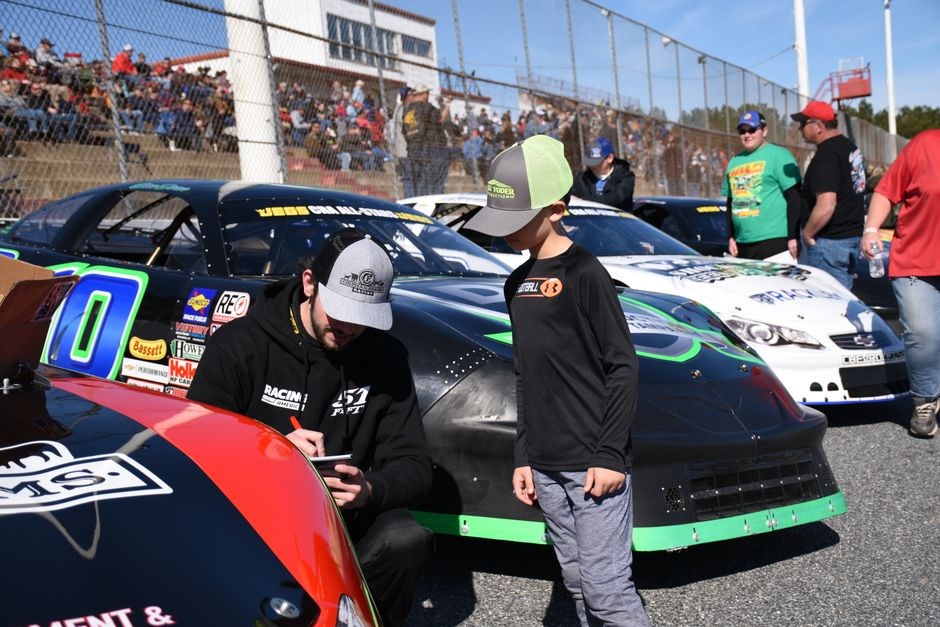
Authentic paint schemes are the cornerstone of a diecast’s collectible value. A model bearing the exact sponsor graphics, sponsor placement, and driver number as seen on the track is far more desirable than a generic or aftermarket version. Collectors scrutinize the placement of logos, the color palette, and even the texture of the decals to confirm authenticity. When a manufacturer releases a limited‑run promo featuring a specific race‑day scheme, the resale market often rewards models that retain the original decals in pristine condition. Conversely, aftermarket modifications—such as hand‑painted logos, swapped sponsor stickers, or altered driver numbers—can drastically reduce a model’s value. Even subtle changes can trigger a downgrade in grading, as many grading services consider any deviation from the factory specification a sign of wear or tampering. The impact is evident in auction data: a 1/64 Hot Wheels “Daytona 500” with original decals can command 200 % more than a similarly aged model that has been re‑decalted. For investors, preserving the original scheme is essential; for hobbyists, authenticity provides a tangible connection to the sport’s history; Collectors often weigh the trade‑off between preserving a model’s pristine condition and showcasing it as a centerpiece; the decision is guided by factors such as the model’s rarity, potential for future appreciation, and the collector’s attachment, with many opting for archival storage to protect against humidity, light exposure, and handling wear, thereby preserving value.
Condition and Packaging Integrity: The role of unopened boxes, pristine paint, and minimal handling in preserving investment value.
In the diecast market, the condition of both the model and its original packaging is the primary determinant of resale price; Unopened boxes are prized because they guarantee no prior handling, preserving the model’s paint finish and preventing accidental damage to decals. Collectors often seek “sealed” units, which are identified by factory‑sealed stickers, intact cardboard, and no visible wear on the box’s spine or corners. When a model is opened, even briefly, the paint can become dulled, decals may peel, and the mold may develop micro‑scratches from handling. These imperfections are immediately flagged by grading services, resulting in a lower grade and a corresponding drop in market value. To maintain a model’s pristine condition, many hobbyists store units in climate‑controlled environments, using archival sleeves or custom foam inserts that protect the model from dust, light, and humidity. Proper storage also prevents the cardboard from absorbing moisture, which can warp the box and compromise the model’s structural integrity. For high‑value items, some collectors go further, placing the sealed unit in a sealed plastic bag with desiccants, then storing it in a temperature‑regulated case. This multi‑layer protection strategy keeps the paint finish flawless, the decals intact, and the packaging free from damage. Auction listings show box condition and seal to reassure the! buyers!
Grade 10 Mint Condition Demands: The stringent requirements for a model to achieve the highest grading, including flawless paint and zero wear.
Achieving a Grade 10, the pinnacle of diecast grading, demands an almost impossible standard of perfection. The model must be completely untouched: no fingerprints, no scratches, no paint chips, and no visible seams. The paint finish must exhibit a uniform gloss, with no dull spots or discoloration. Decals must be perfectly aligned, with no peeling edges or missing sections. The chassis and body panels should show no distortion or warping, indicating that the mold was handled with the utmost care. Even the smallest blemish—a single micro‑scratch on the hood or a faint smudge on the side panel—will downgrade the grade. The packaging must be in pristine condition: the cardboard box should be free of creases, tears, or moisture damage, and the original seal should remain intact and unbroken. Collectors often use archival sleeves to protect the box, but the sleeve itself must not leave any residue or indentations. In addition, the model’s interior components, such as the engine block or suspension parts, must be free of dust and corrosion. The grading process typically involves a meticulous visual inspection under magnification, and any deviation from the ideal standard results in a lower grade. Consequently, Grade 10 items are exceedingly rare and command premium prices in the secondary market, as they represent the ultimate expression of collector care and manufacturing excellence.
Collectors cross‑check serial numbers and manufacturer stamps; any discrepancy can trigger a re‑evaluation, lowering the grade. The rarity of a Grade 10 is amplified limited production of flawless units.
Online Auction Platforms and Average Prices: The influence of eBay, Heritage Auctions, and specialized forums on market pricing and seller visibility.
Online marketplaces have become the primary arena for NASCAR diecast trading, with eBay, Heritage Auctions, and niche forums such as Diecast.com and CollectorsHub driving price discovery. Sellers on eBay often rely on auction dynamics, where competitive bidding can push a Grade 10 model above its estimated value, especially during peak fan periods such as the Daytona 500 or the release of a limited‑edition driver set. Heritage Auctions, known for its high‑profile auctions, offers a curated environment where professional appraisers set reserve prices, ensuring that rare items—such as a 1999 Dale Earnhardt “Black Ghost” or a 2005 Jeff Gordon “Silver Bullet”—receive a transparent market valuation. Specialized forums provide a community‑based appraisal system; members share recent sale data, allowing buyers to gauge current market sentiment and adjust their bids accordingly. The visibility afforded by these platforms is amplified by detailed listings that include high‑resolution images, serial numbers, and condition reports. Accurate descriptions reduce buyer hesitation, leading to faster sales and higher final prices. Additionally, the use of “Buy Now” listings on eBay allows sellers to lock in a price that reflects recent auction trends, while “Reserve” listings protect against undervaluation. The aggregation of sales data from these platforms enables collectors to track price trajectories over time, identifying seasonal spikes that correlate with major racing events. Consequently, the interplay between auction mechanics, professional appraisal, and community knowledge shapes the overall market dynamics for NASCAR diecast collectibles. In 2026, the average sale price for a 1/64 Hot Wheels NASCAR model hovered around $120, while a limited 1/64 Mattel model could fetch upwards of $350 during peak auctions. Sellers who maintain a consistent posting schedule and respond promptly to inquiries often see a 15% increase in final sale price compared to sporadic listings.
Targeting Deadlines for Promotional Releases: Strategies for acquiring season‑specific models before supply diminishes, ensuring higher resale margins.
Season‑specific diecast releases often drop in late summer, aligning with the NASCAR calendar. To secure a model before its stock runs out, collectors should monitor manufacturer announcements on their official sites and subscribe to newsletters from Hot Wheels, Mattel, and Majestic. A common tactic is to set calendar alerts for the first Friday of each month, when many promotional items are announced. Once a release date is confirmed, the next step is to place a pre‑order or a “buy‑now” bid on eBay within 24 hours; this guarantees possession before the item ships. For limited runs, such as the 2026 “Daytona 500 Limited Edition” or the “Rookie of the Year” promos, the manufacturer’s website typically offers a direct purchase link that expires after the initial shipment. Sellers who purchase early can hold the item in its original packaging, ensuring it remains in Grade 10 condition. When the season concludes, demand spikes as fans seek to complete their collections; at this point, the resale price can exceed the original retail value by 30–50 %. Timing the sale during the post‑season auction window, usually in October, maximizes profit. Additionally, joining dedicated Facebook groups or Discord channels where insiders share restock alerts can provide a competitive edge. By combining early purchase, secure storage, and strategic selling, collectors can consistently achieve higher margins on promotional diecast releases. Collectors who master timing tactics often see resale values rise by up to 60 % versus retail, hobby into a side venture.!
Leave a Reply