optavia dining out guide 2023
Dining out while following Optavia in 2023 can feel daunting, but with a clear strategy you can enjoy meals without breaking your plan. Focus on protein‑rich options, watch portion sizes, and use the app’s menu guide to stay on track. Remember to check calorie limits and opt for low‑fat sauces. Stay!
Key Principles of Optavia Meal Plans
Optavia’s 2023 dining guide centers on three pillars: balanced macros, calorie control, and smart substitutions. Each meal must hit the protein target, limit added fats, and fit within the daily calorie window. Use the mobile app to track and adjust portions on the fly. Add a protein shake if needed. daily..
Fuel & Shake Options
When you step into a restaurant in 2023, the first move is to locate the Fuel or protein shake station. Optavia’s Fuel is a low‑calorie, high‑protein drink that can replace a traditional meal. Most chains now offer a “protein shake” or “protein‑rich beverage” that you can customize with milk, fruit, or a protein powder. The key is to keep the total calories under 150 for the Fuel and 250 for the shake, while ensuring you hit the 20‑30 gram protein target. If the menu lists a “protein‑shake” with a calorie count, simply add it to your daily log. If it’s not listed, ask the server for the nutrition facts or use the Optavia app’s scanner to estimate. Many restaurants also provide a “protein‑shake” with a sweetener or a small amount of fruit, which can be a great way to satisfy cravings without exceeding your limits. Remember to pair the shake with a side of vegetables or a salad to add fiber and micronutrients. Also, if you’re in a fast‑food setting, you can often request a “protein‑shake” instead of a regular soda or milkshake. Finally, keep in mind that the Fuel is a substitute for a meal, not a snack; consume it when you would normally have a lunch or dinner, and adjust your other meals accordingly to maintain the daily calorie budget. To maximize flexibility, many restaurants now offer a “protein‑shake” option on their menu, and you can request it with low‑fat milk or water. If the shake exceeds your calorie goal, simply swap it for a low‑calorie beverage protein high while staying under the daily limit!!.
Protein Packs
When dining out in 2023, the Protein Pack is your secret weapon for staying on track with Optavia. A Protein Pack is a pre‑measured, low‑calorie bundle that usually contains a portion of lean protein, a side of vegetables, and a small serving of healthy carbs or fats. Restaurants that partner with Optavia often display a “Protein Pack” sign on their menu boards, making it easy to spot. The key to success is to choose a pack that aligns with your daily calorie allotment—typically 150–250 calories per pack. Many chains now offer a “Protein Pack” that includes grilled chicken or fish, a side of steamed broccoli or mixed greens, and a small portion of quinoa or brown rice. If the menu lists a “Protein Pack” with a calorie count, simply add it to your daily log. If it’s not listed, ask the server for the nutrition facts or use the Optavia app’s scanner to estimate. Pair the pack with a low‑calorie beverage, such as unsweetened iced tea or sparkling water, to keep the total under your daily limit. For extra flavor, request a light vinaigrette or a squeeze of lemon instead of high‑fat sauces. Some restaurants also offer a “Protein Pack” with a side of fruit or a small yogurt to boost micronutrients. If the pack exceeds your calorie goal, you can split it with a friend or save half for later. Remember adjust your other meals accordingly to maintain the daily calorie budget. By consistently choosing a Protein Pack, you can enjoy a variety of cuisines while staying on track with Optavia’s 2023 guidelines.
Dining Out Challenges and Solutions
Dining out in 2023 can feel risky for Optavia users. Common hurdles include hidden calories, large portions, and limited protein options. Solutions: scan menus, choose protein packs, request low‑fat sauces, and use the Optavia app to log meals instantly. Stay mindful and enjoy responsibly!!!
Menu Reading Strategies
When you enter a restaurant, first look for the menu online. Most chains offer PDF menus.Scan the list for items that contain at least 20 grams of protein and are labeled “low‑fat” or “lean.” If the menu lists calories, compare them to your daily allotment. For items that don’t list calories, use the Optavia app’s built‑in calculator or a third‑party nutrition database to estimate the calorie content. Pay special attention to sauces and dressings—these can add 50–100 calories per serving. Ask the server for a “light” version or request the sauce on the side so you can control the amount. When you see a dish that looks appealing but is not on the official Optavia list, consider swapping the side or the sauce for a protein pack or a fresh salad. Finally, take a moment to note the portion size. Many restaurants serve oversized portions; a simple trick is to ask for a “half” portion or to split the dish with a friend. By mastering these steps, you can confidently choose meals that fit your plan without sacrificing taste.
Remember to check for hidden ingredients like butter or cream in sauces, and opt for grilled or baked options over fried. If a dish is too large, request a to‑go box or ask to split the meal. Many restaurants now offer “protein‑first” plates that align with Optavia’s low‑fat, high‑protein focus. Finally, keep a small snack on hand—such as a protein bar or a handful of nuts to curb late cravings without exceeding daily calorie limit!!
Portion Control Tips
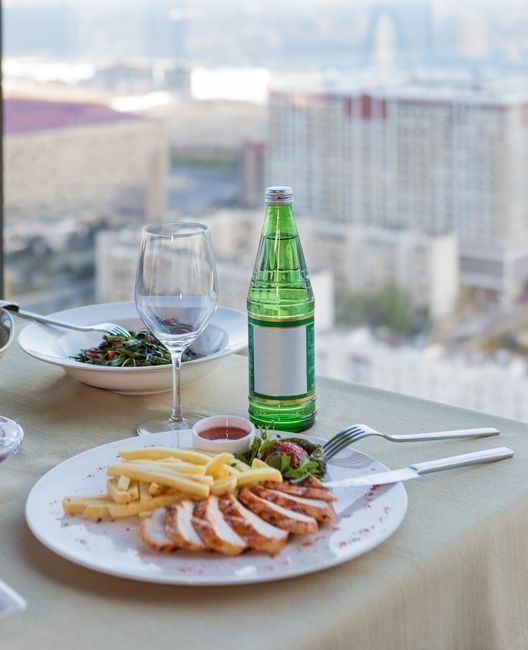
When dining out, start by asking for a half‑portion or a to‑go box. If the server offers a standard portion, request a “light” or “small” version. Use a personal plate or a small bowl to visually limit the amount you serve. When a dish is served family‑style, take only a single bite of each item and fill the rest of the plate with a low‑calorie side like steamed vegetables or a fresh salad. Keep a small snack—such as a single protein bar or a handful of raw almonds—on hand to satisfy late cravings without exceeding your daily calorie limit. If a menu item is too large, ask the kitchen to split it into two servings or to wrap the extra portion for later. For high‑fat sauces, request them on the side and measure a tablespoon or less. When ordering a sandwich, choose a whole‑grain bun and ask for lettuce, tomato, and mustard instead of mayo. If a dish includes fries or a side of rice, request a side salad or a small portion of the carb. Finally, practice mindful eating: chew slowly, pause between bites, and listen to your body’s fullness signals. By controlling portion sizes and making smart substitutions, you can enjoy a restaurant meal while staying within your Optavia plan and calorie budget.
Remember, the key to success is consistency. Keep a small notebook or use the Optavia app to log each meal, noting any deviations and how you feel afterward. Over time, you’ll spot patterns and refine your choices. With these habits, dining out becomes a confidence‑building experience rather than a hurdle and stay committed daily and enjoy
Restaurant Types and Optavia Compatibility
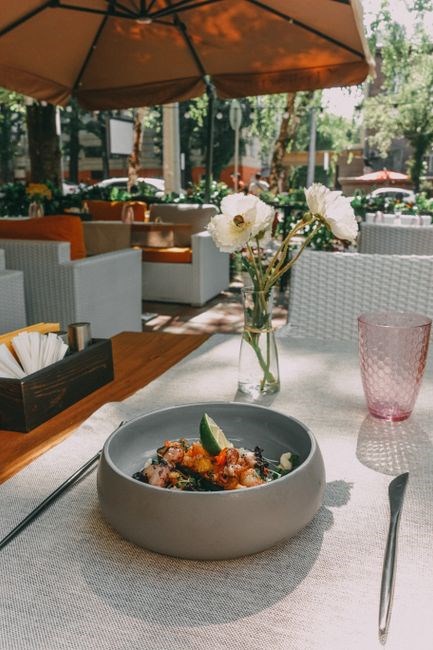
Fast‑food chains offer pre‑packaged protein packs and low‑calorie sides, making them highly compatible. Casual diners provide customizable bowls where you can swap carbs for greens. Fine dining requires careful menu reading, but many places now offer lean protein choices that fit Optavia limits!!!
Fast Food Chains
In 2023, many fast‑food outlets offer “Protein Packs” that combine lean meats, eggs, and low‑fat dairy with a side of fresh greens. These packs fit neatly into Optavia’s 2‑meal, 1‑shake structure and stay within the 200–250‑calorie range. Choosing a Protein Pack over a standard burger keeps you on track while still enjoying a satisfying, on‑the‑go meal.
Popular chains such as McDonald’s, Burger King, Taco Bell, Chick‑Fil‑A, Wendy’s, and KFC now offer “Protein‑Only” or “Lean‑Protein” options. For example, McDonald’s “Grilled Chicken Sandwich” (190 cal) and Chick‑Fil‑A’s “Grilled Chicken Sandwich” (280 cal) pair well with a side salad. Burger King’s “Grilled Chicken Sandwich” (260 cal) and Taco Bell’s “Power Menu Bowl” can be customized to 300–350 cal by removing rice and beans. Wendy’s “Grilled Chicken Wrap” (210 cal) and KFC’s “Grilled Chicken Breast” (190 cal) are also viable.
Key tactics include: choosing grilled over fried, skipping fries or opting for a side salad, using lettuce wraps instead of buns, and requesting sauces on the side to control added sugars and fats. Many chains now provide nutrition calculators on their apps, allowing you to verify that your chosen items meet Optavia’s 200–250‑calorie range. Always double‑check portion sizes, as some “small” servings can exceed 250 cal when combined with extras. By planning ahead and selecting the right items, you can dine out comfortably while staying true to the Optavia plan. Check sauces Share a side Use the app to trackTrack calories
Casual Dining Restaurants
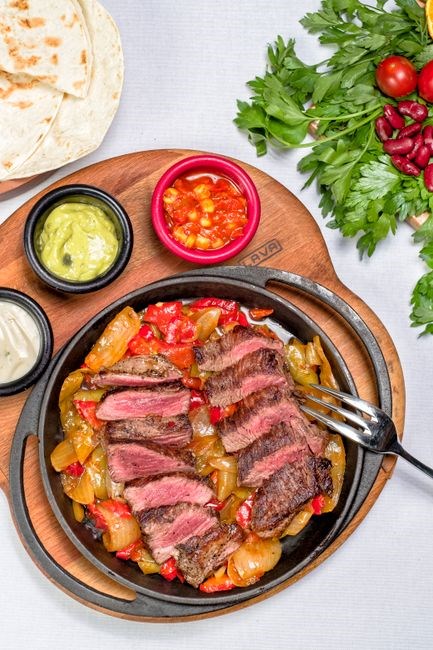
When dining at casual restaurants, the key to staying within Optavia’s calorie limits is to focus on lean proteins, fresh vegetables, and mindful portion control. Many establishments now offer “Protein‑Only” or “Lean‑Protein” plate options that pair grilled chicken, fish, or turkey with a side of steamed or roasted vegetables, keeping the meal between 200 and 250 calories. For example, a grilled salmon plate with a side salad can be a perfect fit, especially when you request no added dressings or sauces. If the menu lists a “Protein Bowl,” ask the server to leave out high‑calorie extras such as rice, beans, or creamy sauces, and replace them with extra greens or a light vinaigrette.
When you arrive, ask for a “Protein‑Only” version of any dish. Many servers will automatically remove high‑calorie sides and sauces. If the menu offers a “Protein Bowl” or “Grilled Chicken Plate,” request it with a side of steamed broccoli or a mixed green salad. Avoid creamy dressings; instead, choose a light vinaigrette or a squeeze of lemon. If you’re at a place that serves pasta, order a small portion of whole‑grain pasta and ask for a tomato‑based sauce instead of alfredo. Remember that the Optavia plan allows a single 200‑250‑calorie meal, so keep the total of your protein, veggies, and any side dishes within that range. By planning ahead, using the app’s menu guide, and communicating clearly with the server, you can enjoy a satisfying casual dining experience while staying on track.!!

Fine Dining Options
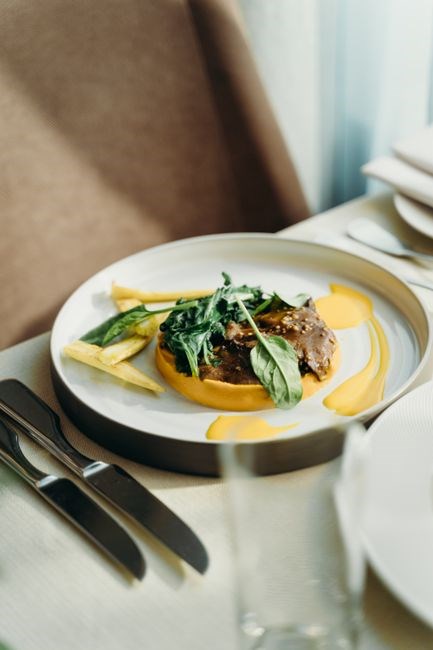
Fine‑dining restaurants often feature elaborate dishes that can quickly exceed Optavia’s 200‑250‑calorie limit. The trick is to request a “Protein‑Only” plate or a “Chef’s Special” that focuses on lean meats, seafood, or plant‑based proteins, and to ask for a side of steamed or roasted vegetables instead of high‑calorie sauces or starches. Many chefs will gladly accommodate a preparation if you’re following a strict meal plan. When you arrive, let the server know you’re on a low‑calorie program and ask for a “Protein‑Only” version of the entrée. If the menu lists a “Steak” or “Seafood” dish, request it without butter, cream, or cheese. Opt for a light vinaigrette or a squeeze of lemon on the side rather than a rich sauce. If a dish comes with a side of potatoes or rice, politely decline or ask for a small portion of steamed greens instead. For soups, choose broth‑based options and skip the creamy varieties. When you order a salad, request a dressing on the side and use only a teaspoon of oil‑based dressing. If the restaurant offers a “Chef’s Tasting Menu,” ask if you can customize it to include only protein and vegetables, and keep the portion size small. Using the Optavia mobile app, you can preview the calorie content of many popular dishes and plan your order accordingly. Remember that the goal is to keep the total meal under 250 calories, so focus on lean proteins, avoid high‑fat sauces, and keep portions modest. With a bit of preparation and clear communication, you can enjoy a fine‑dining experience while staying on track with your Optavia plan.

Tools and Resources for Successful Dining Out
Use the Optavia app for real‑time calorie tracking, menu scans, and instant protein‑pack suggestions. Pair it with online calculators like MyFitnessPal or Cronometer for precise macro data. Bookmark restaurant guides, set alerts, and keep a portable snack to stay compliant.Use scanner for quick check
Optavia Mobile App Features
The Optavia mobile app is a central hub for meal planning, calorie tracking, and community support, designed to streamline the dining‑out experience. Key features include a barcode scanner that instantly identifies foods and displays their nutritional profile, allowing users to verify that a restaurant item meets the 250‑calorie limit for a meal. The app’s “Menu Lookup” function pulls official Optavia menus from partner restaurants, showing pre‑calculated protein packs and shake options, so you can order confidently without guessing. A real‑time calorie counter updates as you add items, ensuring you stay within daily allowances. The “Smart Portion” tool offers visual guides for portion control, recommending how many ounces of protein or how many grams of vegetables to pair with a meal. Users can also log custom dishes; the app’s database automatically calculates macros based on entered ingredients, making it easy to adapt to local cuisine. Social features let you connect with fellow Optavians, share tips, and receive motivational badges for consistent compliance. Push notifications remind you to log meals, hydrate, and schedule weekly check‑ins. Finally, the app syncs with wearable devices, providing a holistic view of activity, sleep, and nutrition, which is essential for maintaining progress while eating out. Use the app’s built‑in reminder to log water intake, as staying hydrated boosts metabolism and helps you meet daily protein targets without extra calories. cravings check.!!!
Third-Party Nutrition Calculators
dining out, third‑party nutrition calculators can be invaluable for verifying that a menu item aligns with Optavia’s strict calorie and protein guidelines. Popular tools such as MyFitnessPal, Cronometer, and Lose It! offer extensive databases that include thousands of restaurant dishes. By entering the name of the entrée, side, or beverage, users receive a detailed macro breakdown—calories, fat, carbohydrates, protein, and fiber—within seconds. This instant feedback allows diners to make quick adjustments, such as swapping a creamy sauce for a lighter vinaigrette or choosing a grilled protein over a fried alternative. Many calculators also provide “custom recipe” features, enabling users to input homemade or chef‑prepared dishes by listing each ingredient and its quantity. The app then aggregates the totals, giving a precise nutritional snapshot that can be compared against Optavia’s daily limits. For those who prefer a more visual approach, the Fooducate scanner reads barcodes and displays a color‑coded health score, while the Yazio app offers a “restaurant finder” that highlights menu items meeting specific macro thresholds. Integrating these tools with Optavia mobile app is straightforward: most platforms allow export of data to CSV or direct sharing to Google Sheets, where you can maintain a personal log. By combining the real‑time insights of third‑party calculators with Optavia’s structured meal plans, users can confidently navigate menus, avoid hidden calories, stay on track even when exploring new culinary experiences.

and Action Plan
After mastering the fundamentals of Optavia dining out, the next step is to translate knowledge into daily habits. Start by setting a realistic goal: aim to stay within the 1,200‑calorie limit for each meal while ensuring at least 30 g of protein. Use the Optavia app to log meals immediately; the instant feedback helps you adjust portions on the spot. Create a “menu cheat sheet” for your favorite restaurants, noting which items fit the plan and which require substitutions. When you’re at a new venue, scan the menu with a nutrition‑tracking app to confirm macros before ordering. Keep a small, reusable water bottle to avoid sugary drinks; hydration also helps curb cravings. Schedule a weekly review—every Sunday, analyze your logs, identify patterns, and tweak your strategy. If you notice frequent temptations at fast‑food chains, plan a balanced protein pack for the week to offset those cravings. For casual dining, practice the “two‑step” approach: first order a protein‑rich main, then add a side of vegetables instead of fries. In fine‑dining settings, request sauces on the side and ask for grilled or steamed preparations. Finally, celebrate milestones: treat yourself to a non‑food reward, like a new book or a workout session, to reinforce positive behavior. By combining meticulous tracking, proactive menu planning, and consistent reflection, you’ll maintain Optavia’s nutritional standards while enjoying the social experience of eating out. Stay committed, go now!!go and let each meal be a step toward lasting health.
Leave a Reply